9 hr
Tromsø Silent Hybrid-Electric Whale Watching Cruise
- Expert local guide
- Small group
- Skip-the-line access
- Free cancellation
Tromso Whale Watching — Harbour Departures & Guided Fjord Safaris
Cold water carries the herring, and the herring carries everything else.
Compare fares, pick the fit — all bookings are mobile-voucher and eligible for free cancellation where shown.
9 hr
8 hr
8 hr
| Experience | Duration | Rating | Skip-the-line | Guide | Small group | Free cancel. | Price | |
|---|---|---|---|---|---|---|---|---|
|
Guided Experience
Most popular
Tromsø Silent Hybrid-Electric Whale Watching Cruise
|
9 hr | ★ 4.5 | ✓ | ✓ | ✓ | ✓ | €181 | Book → |
|
Guided Experience
Tromsø: Whale Watching Cruise by High-Speed Catamaran
|
8 hr | ★ 4.6 | ✓ | ✓ | ✓ | ✓ | €190 | Book → |
|
Guided Experience
Tromsø All-Inclusive Whale & Orca Boat Safari
|
8 hr | ★ 4.6 | ✓ | ✓ | ✓ | ✓ | €227 | Book → |
Worth it for wildlife-first winter visitors
Entry to the harbor and terminal at Samuel Arnesens gate 5 costs 0 NOK, but the boats themselves run steep, and that is where the real value question lives. What you pay buys a guided run into fjords where humpback whales and orcas trail the herring migration, plus Arctic scenery most day-trips never reach. Tromso whale watching pays off when sightings land: a breaching humpback or an orca pod against snow-lit peaks justifies the outlay fast. The honest caveat is that wildlife is not scheduled, so some sailings return with distant fins or nothing. Booked tromso whale watching tours generally reserve you a second sailing if you draw a blank, which softens the gamble. This works for photographers, marine-wildlife fans, and anyone treating the fjord cruise as the day's centerpiece. It underdelivers for travelers expecting guaranteed close encounters or a quick cheap outing. Weigh the tromso whale watching tour against calmer, cheaper land activities before you commit.
Bottom line: Book tromso whale watching tickets if wildlife is your priority and the fare fits, skip it if you need certainty or a bargain.
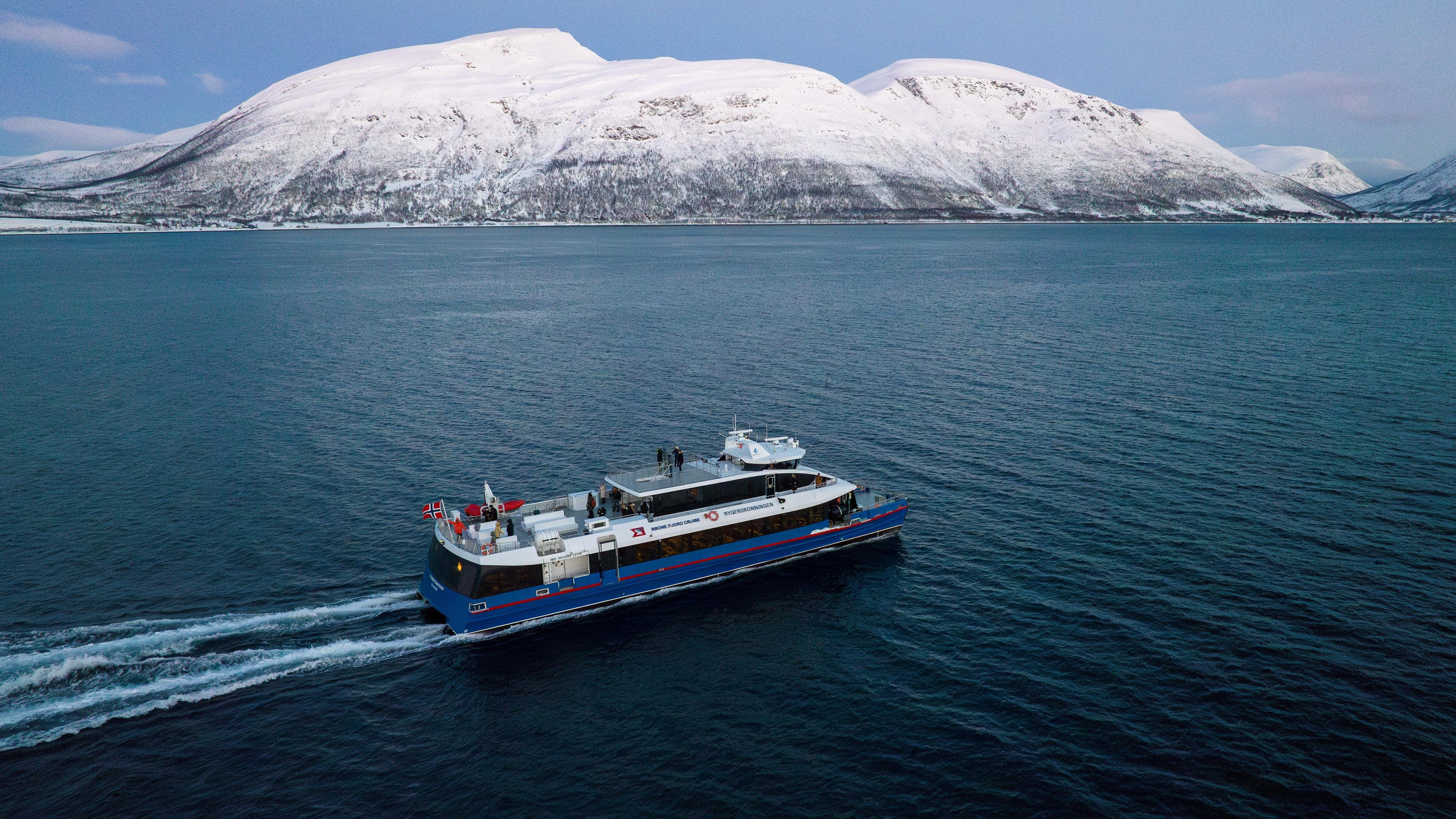
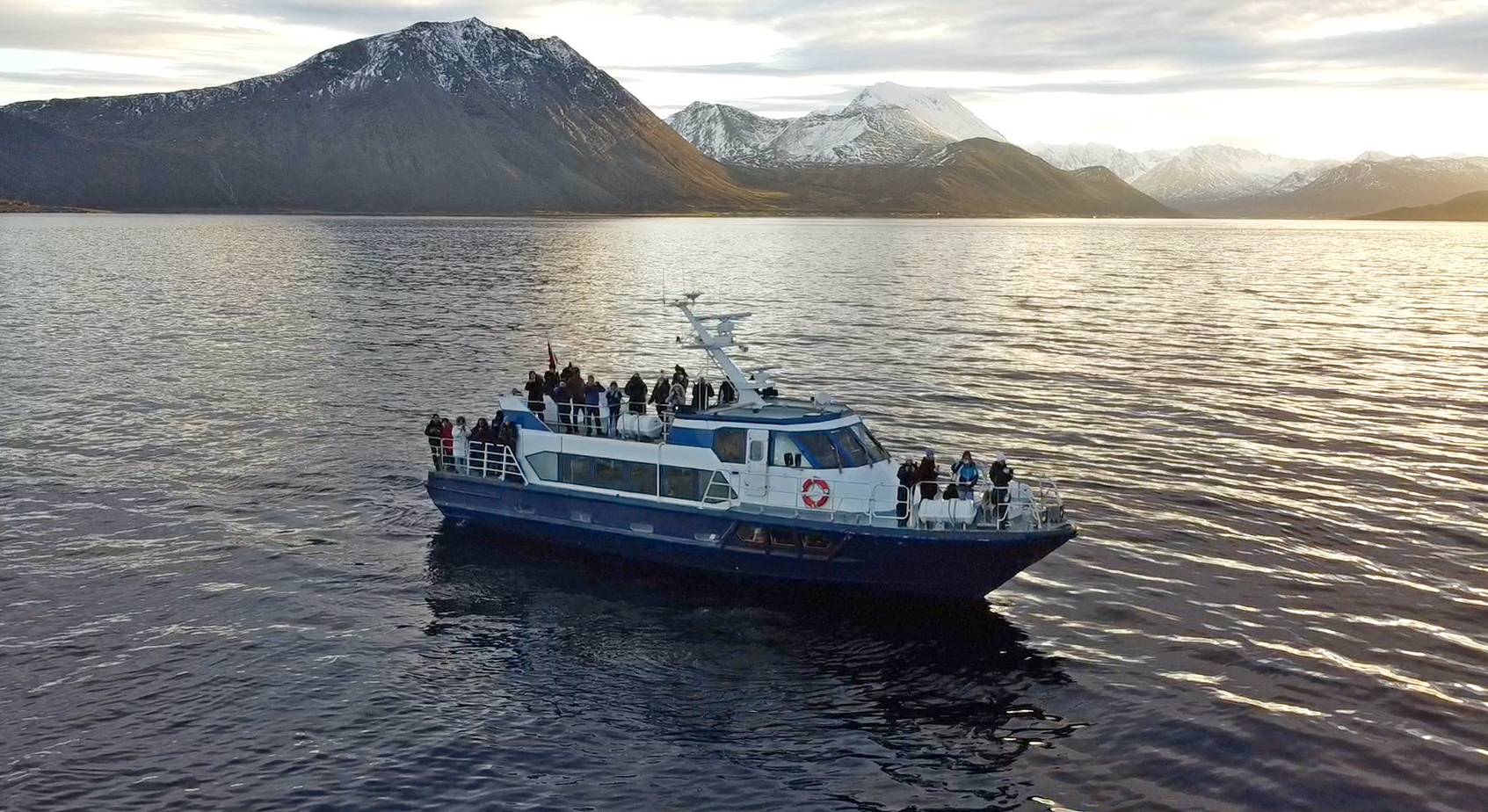
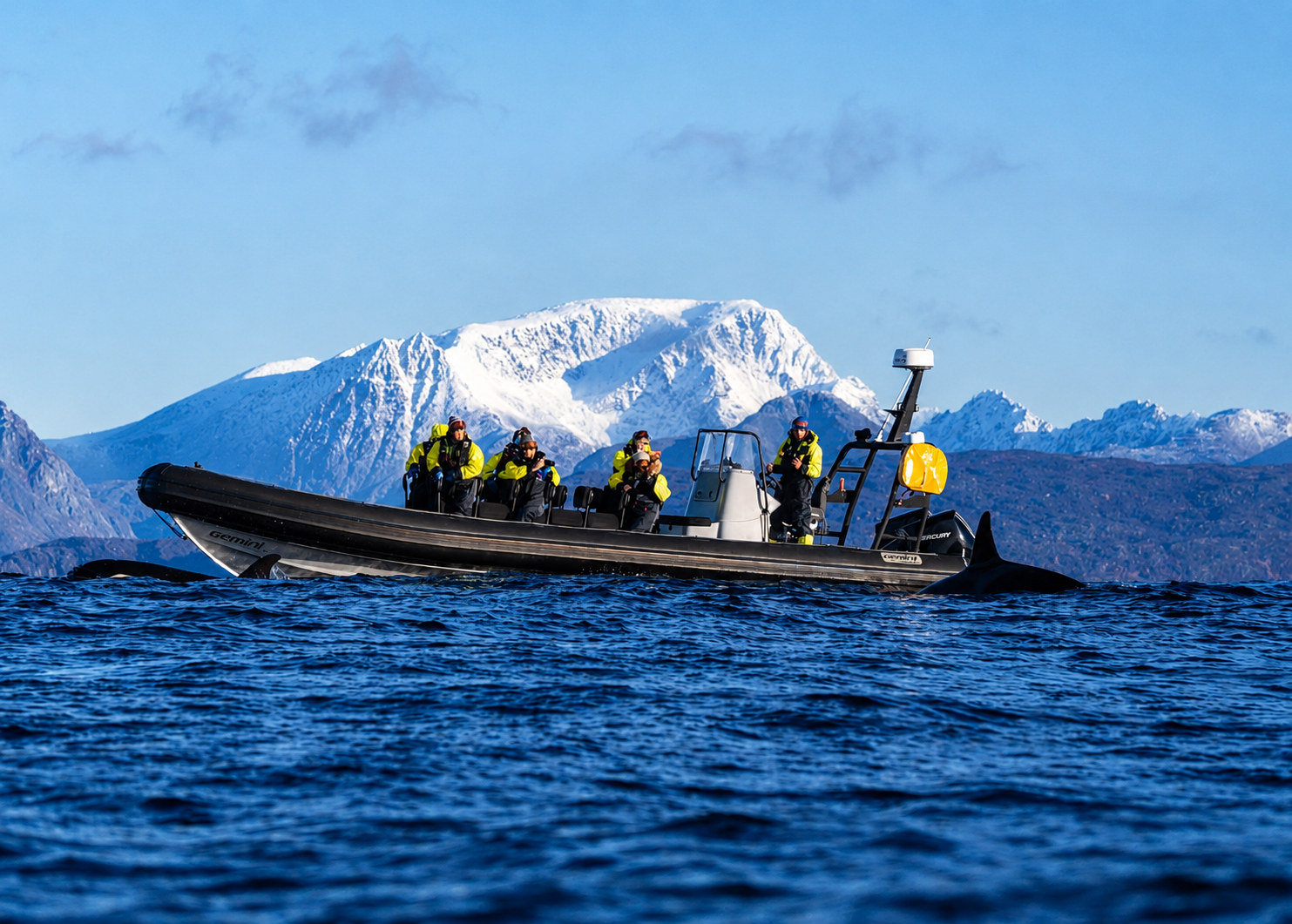
They complement each other; most visitors who want a warm, relaxed journey choose the catamaran, while thrill-seekers prefer the RIB. Deciding between different tromso whale watching tours depends on your comfort preferences in the cold fjords. Catamarans offer heated cabins, whereas RIBs are completely open to the elements. Secure your tromso whale watching tickets online for departures from the harbor. This ensures you get a spot on your preferred travel date. For a closer encounter with orcas, a Tromsø whale safari provides a sea-level view. This gets you right next to the active marine life.
|
Top pick Catamaran Tours |
RIB Boat Tours | |
|---|---|---|
| Transit Time to Whales | 3–3.5 hours by boat | 4-hour bus then 15 mins |
| Exposure to Cold & Rain | Minimal (heated indoor cabins) | High (open deck with wind) |
| Passenger Capacity | 100–150 passengers | Up to 12 passengers |
| Minimum Age & Height | None (all ages welcome) | Age 12–14+ and 140 cm |
| Indoor Facilities & Warmth | Heated saloons, cafe, toilets | None (outdoor only) |
| Wildlife Perspective | Elevated views from high deck | Sea-level close encounters |
| See tickets & prices |
Verdict: We suggest booking a standard tromso whale watching experience on a catamaran for families wanting comfort, while adventure seekers should opt for a RIB boat.
Hand-picked experiences loved by thousands of travelers
12 hours
Free Cancellation
Embark on an exhilarating RIB boat safari from Tromsø to Skjervøy to search for orcas and humpback whales.
12 hours
Free Cancellation
Embark on an epic winter sea safari from Tromsø to observe wild orcas and humpback whales in northern fjords.
6 - 8 hours
Free Cancellation
Embark on an Arctic catamaran cruise from Tromsø to search for majestic orcas and humpback whales.
7.5 hours
Free Cancellation
Search for orcas and humpback whales in the Arctic fjords aboard a comfortable, fast catamaran.
12 hours
Free Cancellation
Embark on an exhilarating polar RIB adventure to spot majestic orcas and humpbacks in the fjords of Skjervøy.
12 hours
Free Cancellation
Seek out majestic whales in comfort aboard a heated vessel with expert marine guides on this 12-hour tour.
3 - 12 hours
Free Cancellation
Embark on an exhilarating RIB boat safari from Skjervøy or Tromsø to spot wild orcas and humpback whales in the Arctic.
1 day
Free Cancellation
Sail the Arctic waters for 24 hours on an intimate expedition ship, chasing the Aurora and waking up beside wild whales.
Arrive at Samuel Arnesens gate 5, 9008 Tromsø to complete check-in, receive your safety briefing, and board the vessel.
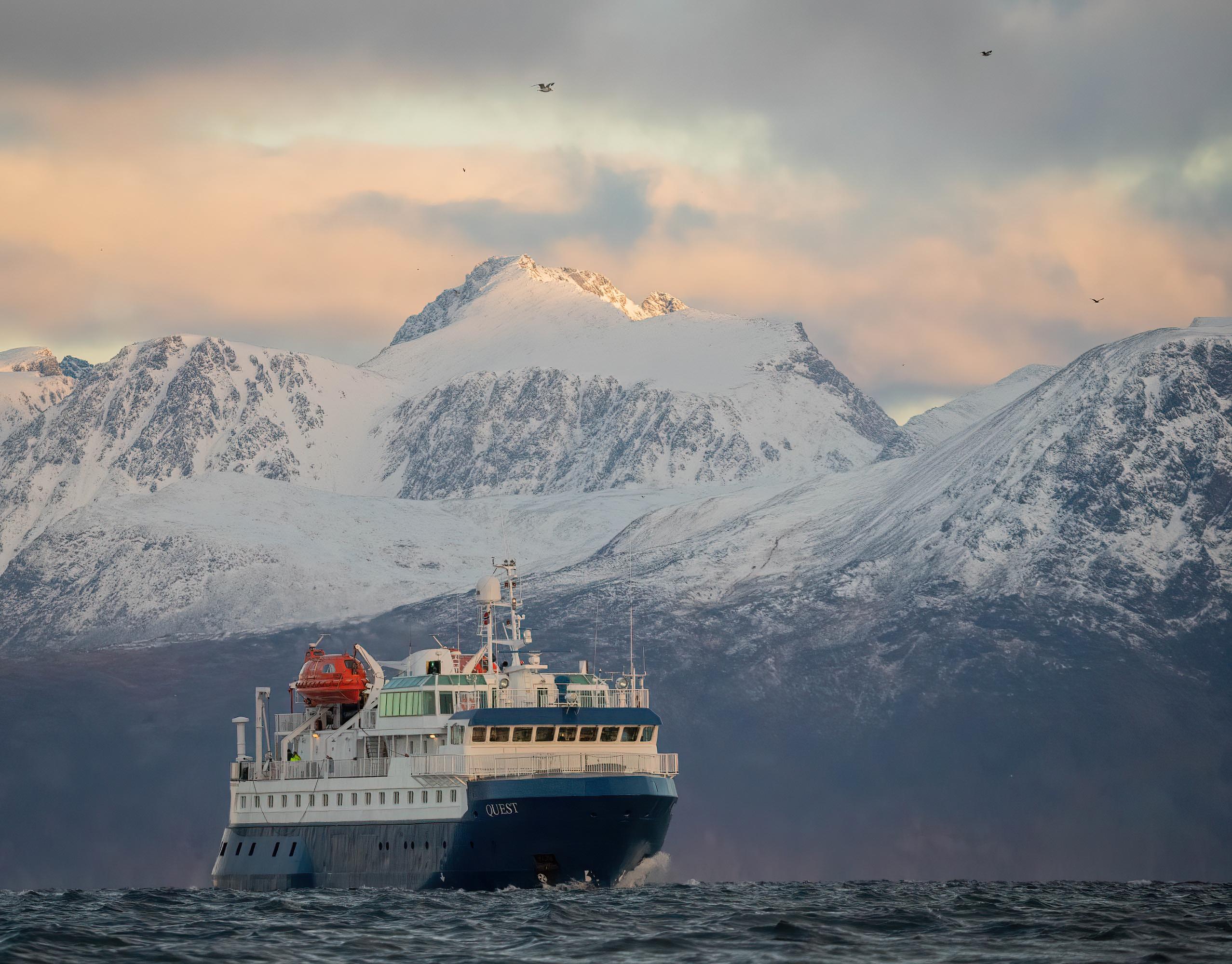
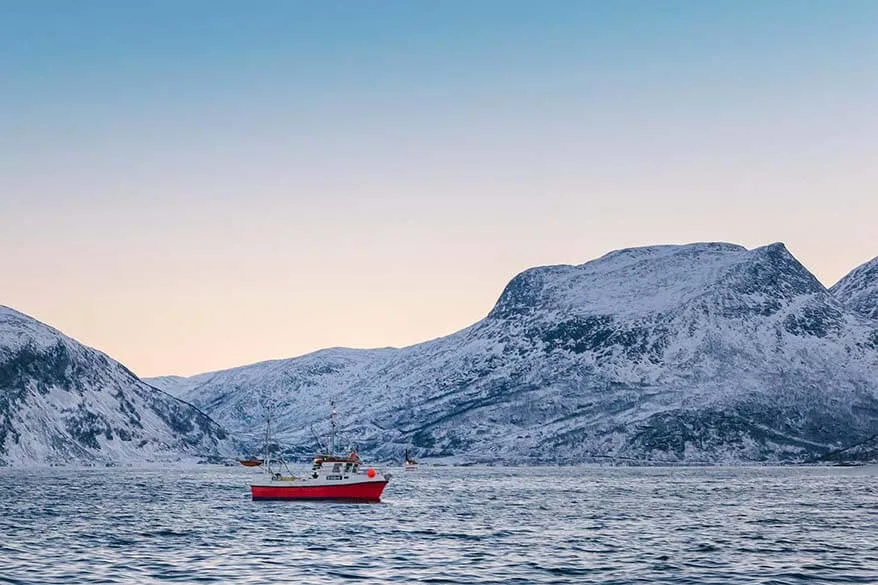
Cruise through the scenic waters of Kaldfjorden or towards Skjervøy, observing dramatic snow-capped peaks along the way.
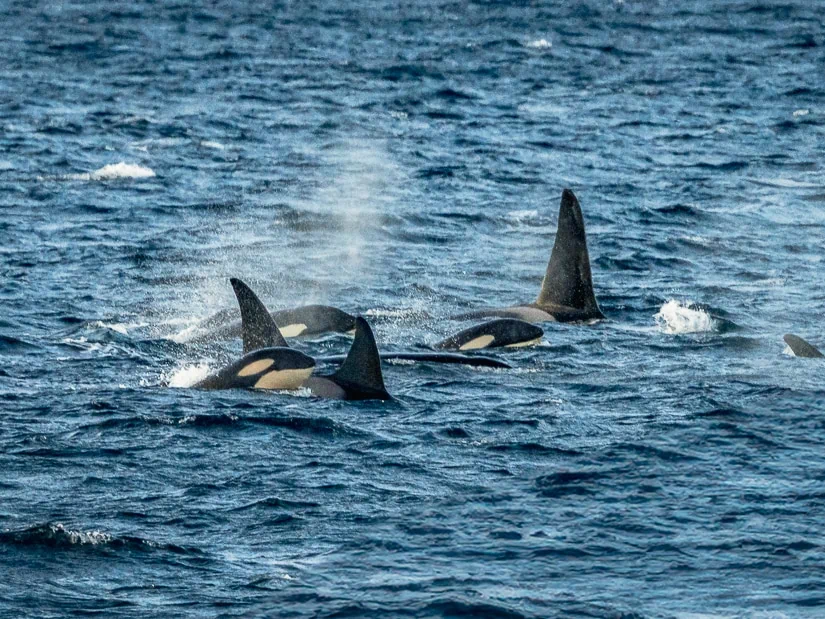
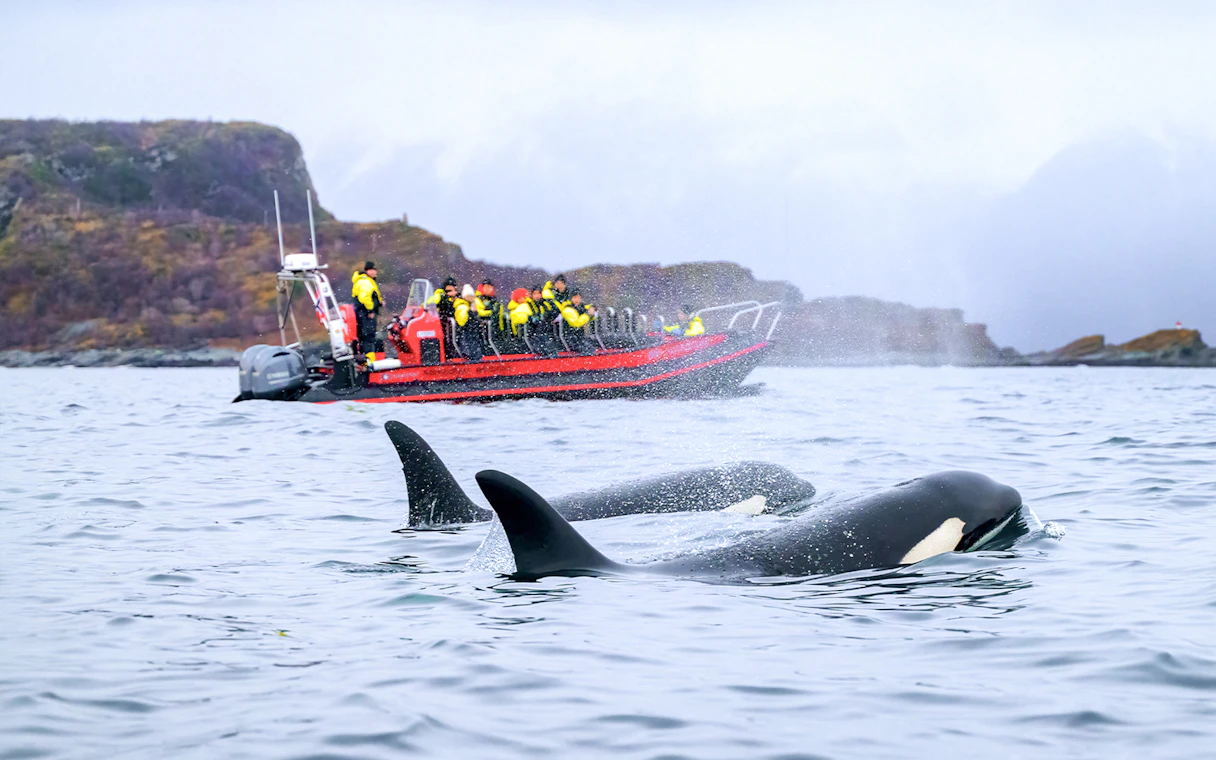
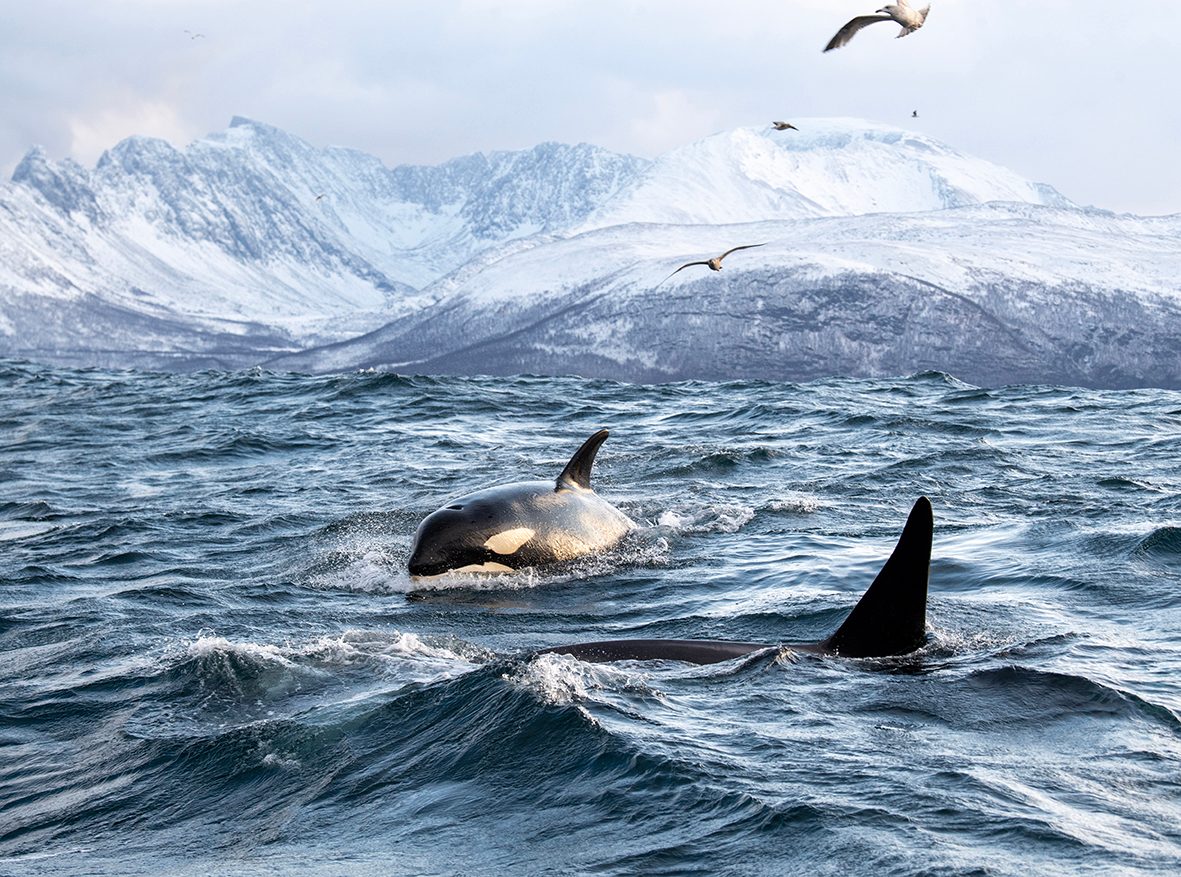
Search for migrating humpback whales and killer whales feeding on herring, keeping a respectful distance as mandated by conservation guidelines.
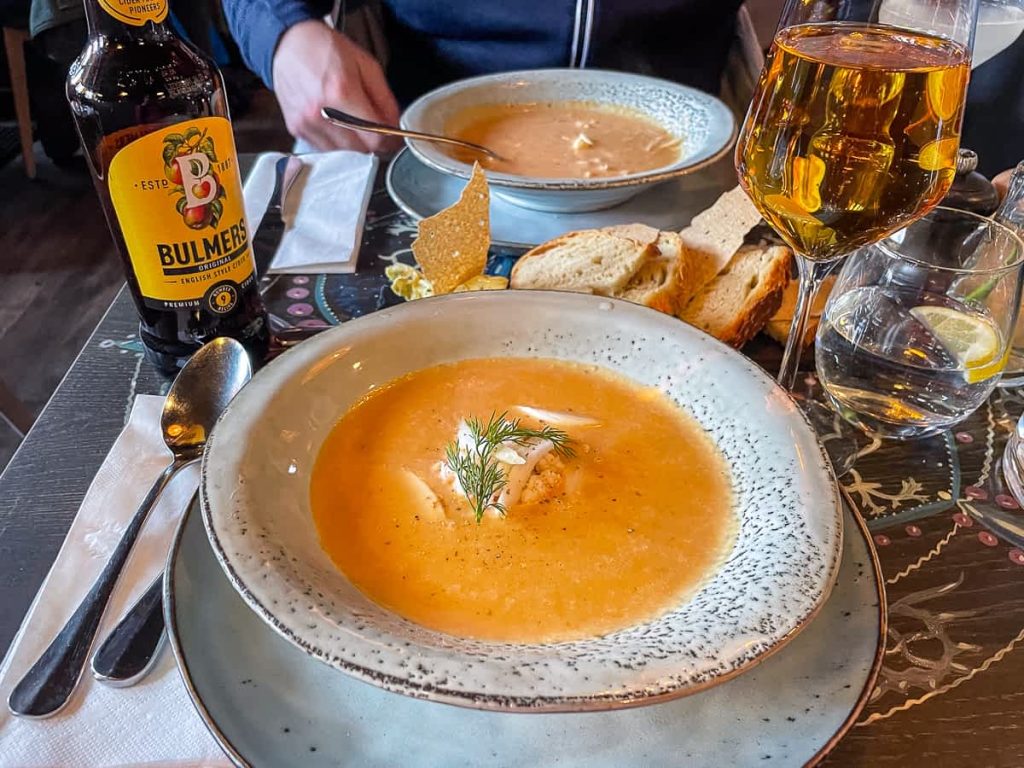
Warm up inside the heated cabin with a hot cup of tea or a local fish soup while sharing photos with fellow travelers.
Complete the scenic return journey to Prostneset terminal as twilight falls over the Arctic landscape.
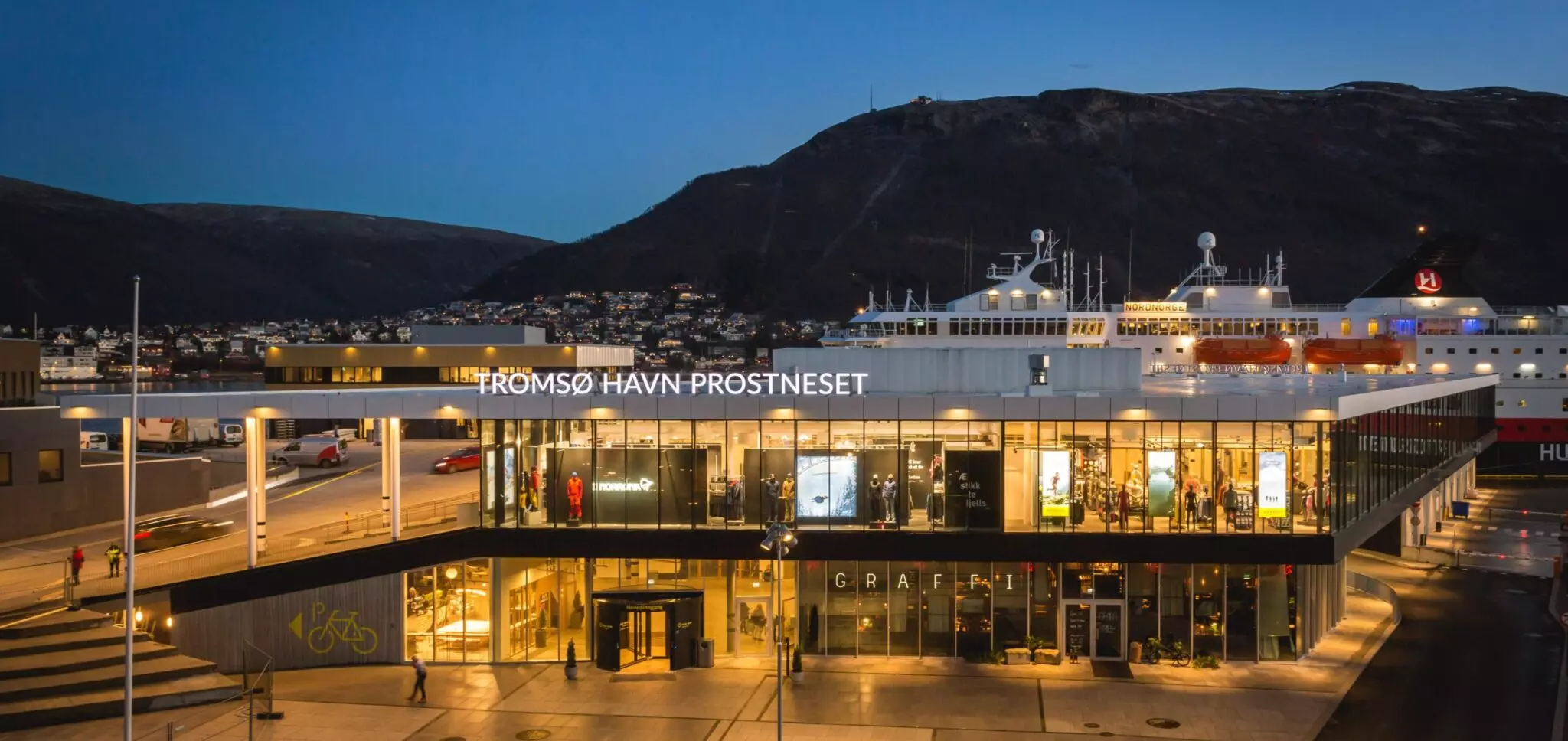
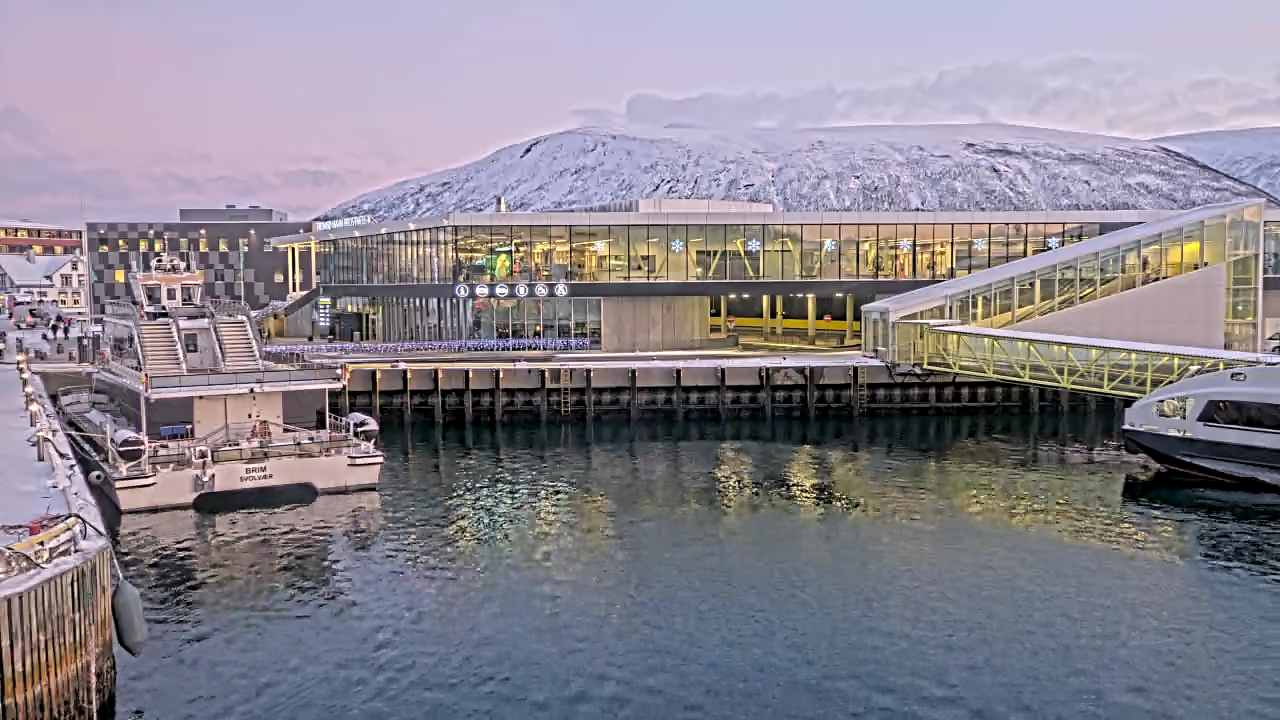
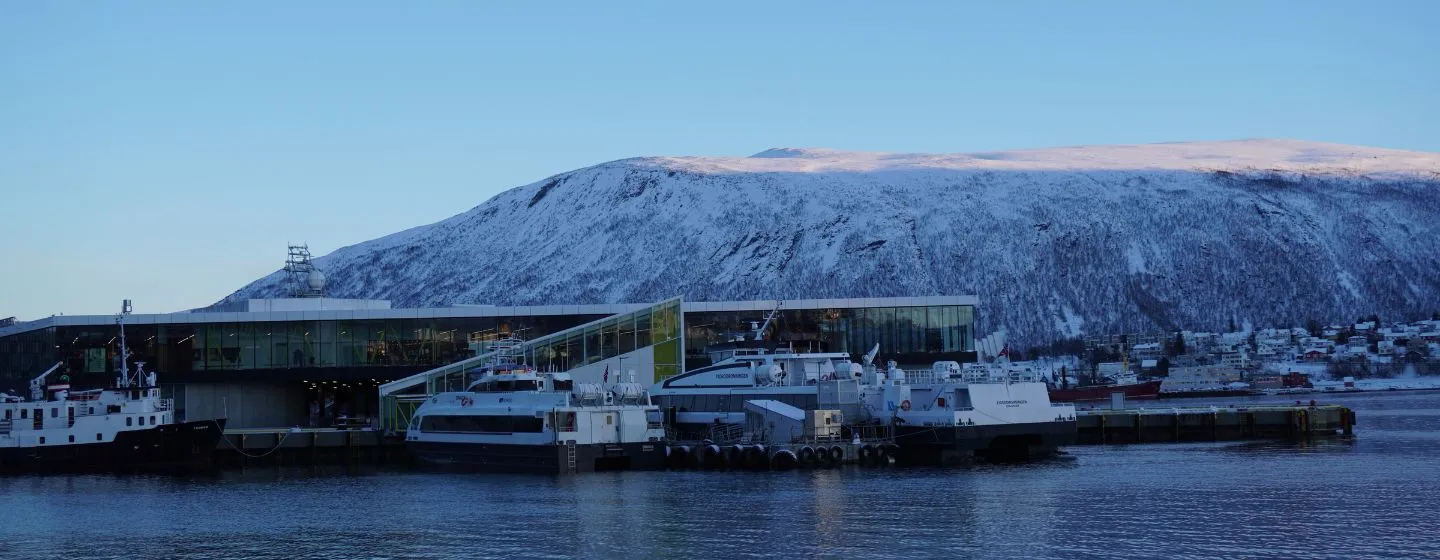
The bustling departure quays located behind the main terminal at Samuel Arnesens gate 5. This terminal handles over 1 million travelers annually, serving as the central gathering point for daily winter excursions. Visitors board vessels here for cruises into the Arctic ocean.
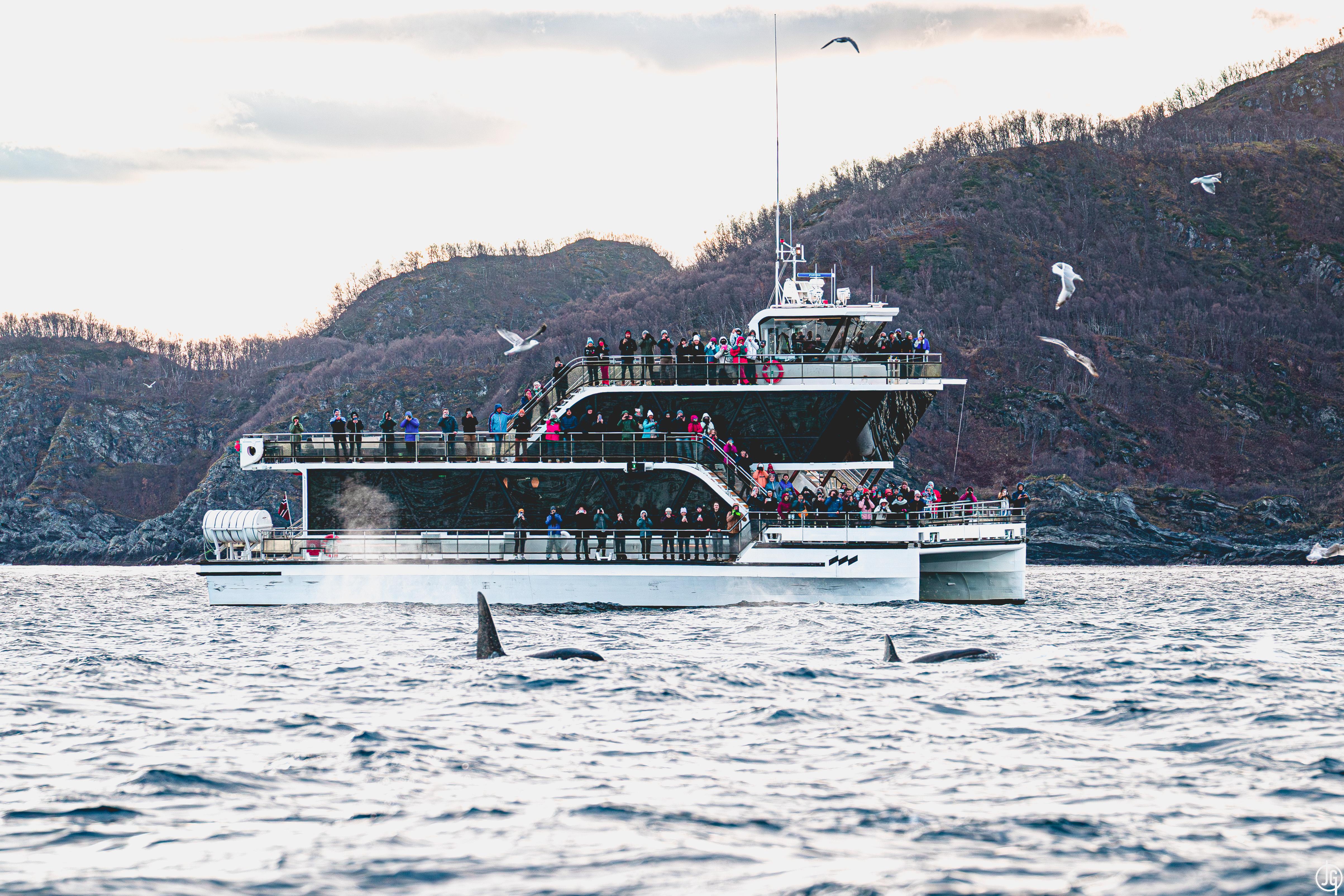
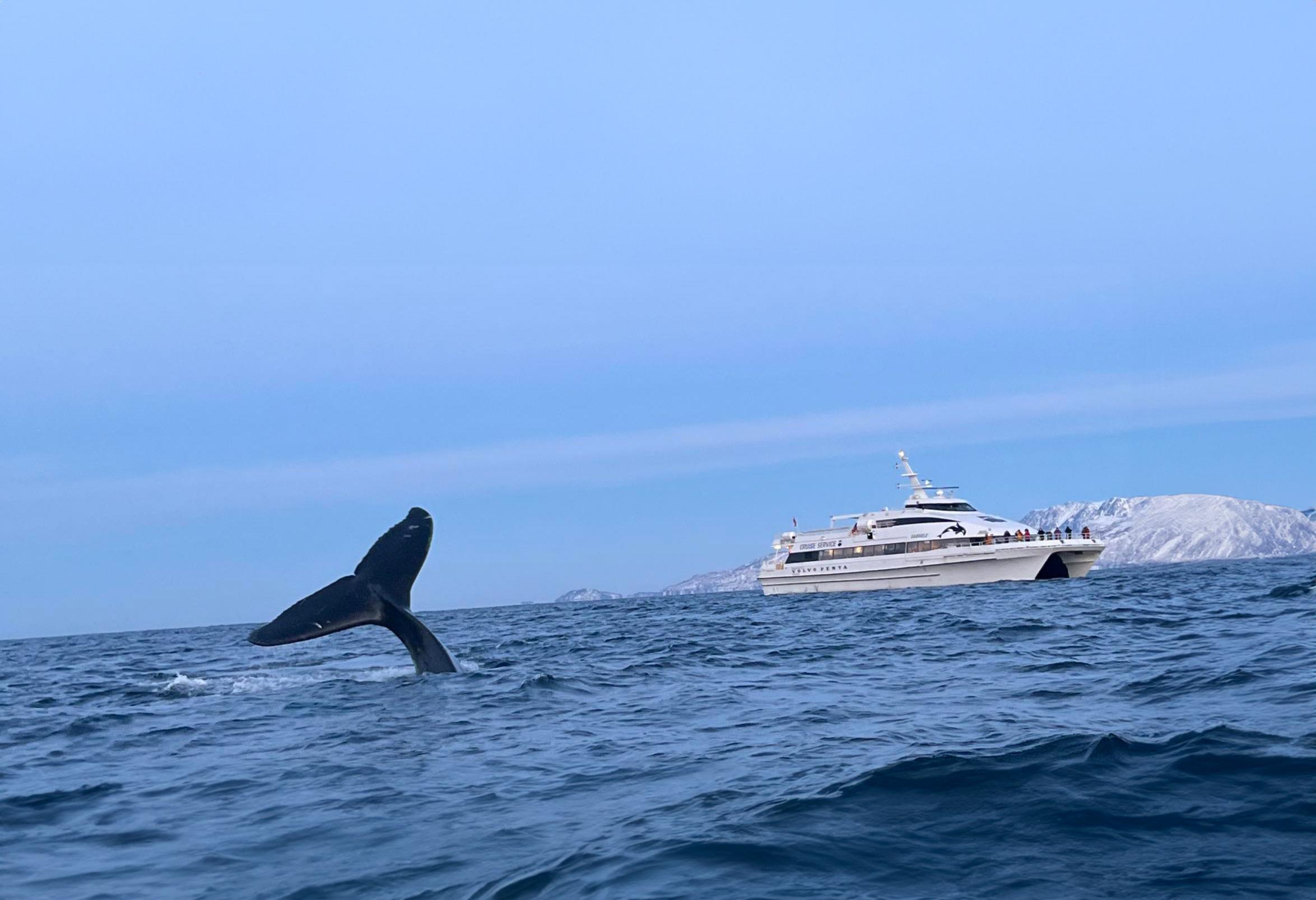
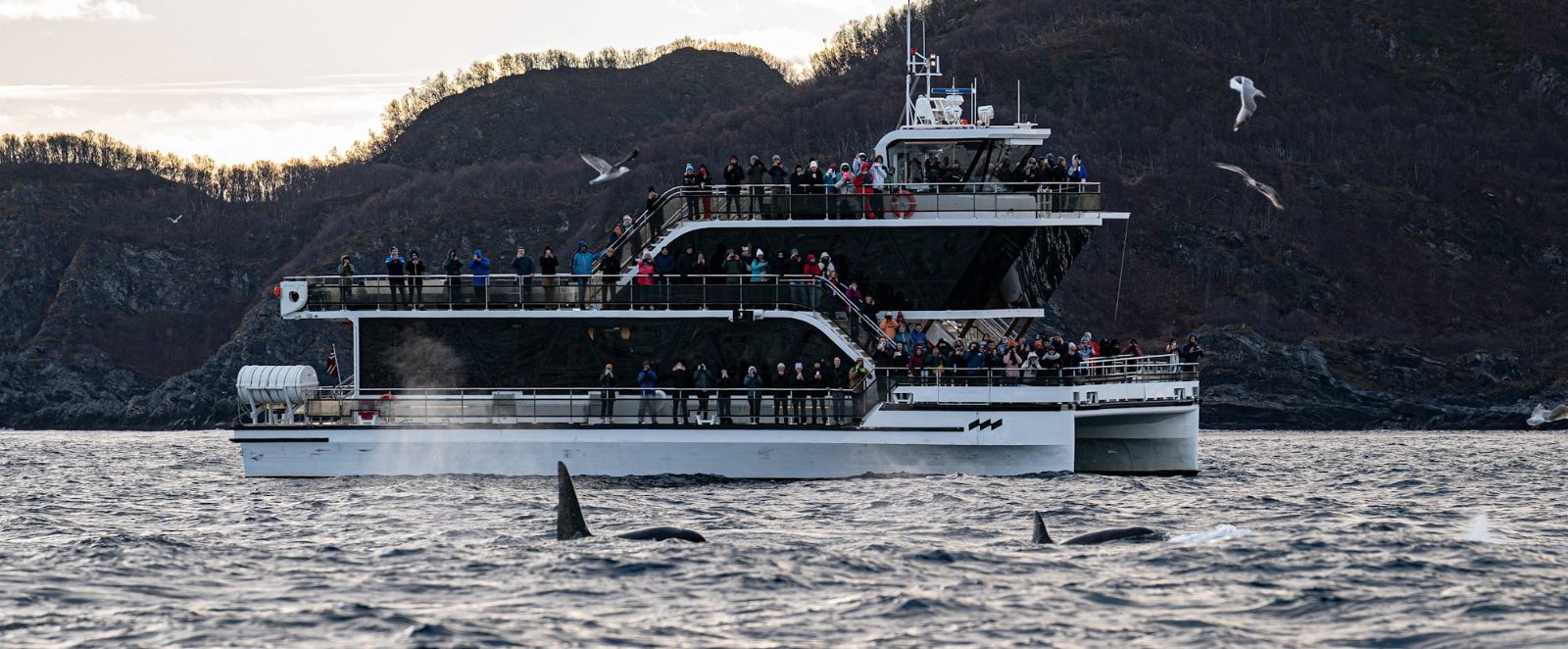
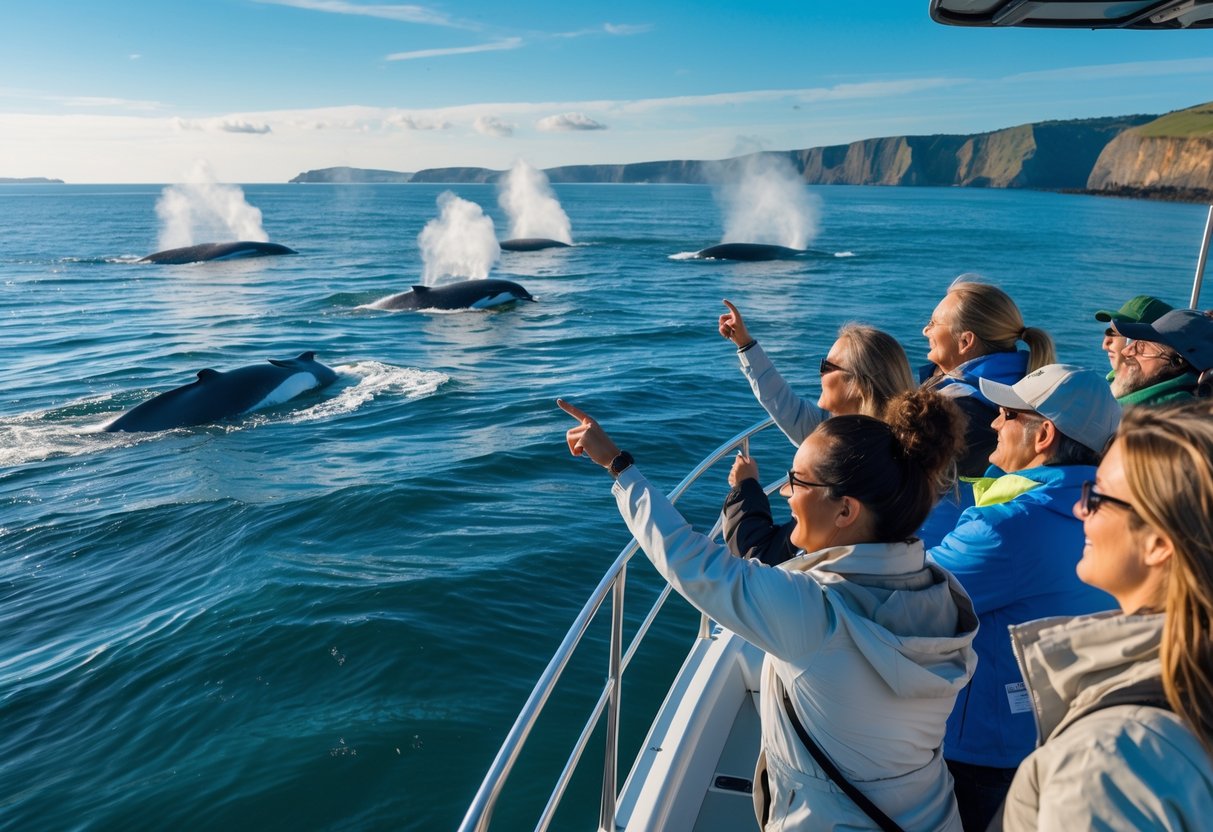
Spacious multi-level outdoor viewing platforms on the catamarans. These decks provide elevated positions to photograph killer whales and humpback whales, which can reach lengths of 16 meters. The open layouts offer 360-degree visibility.
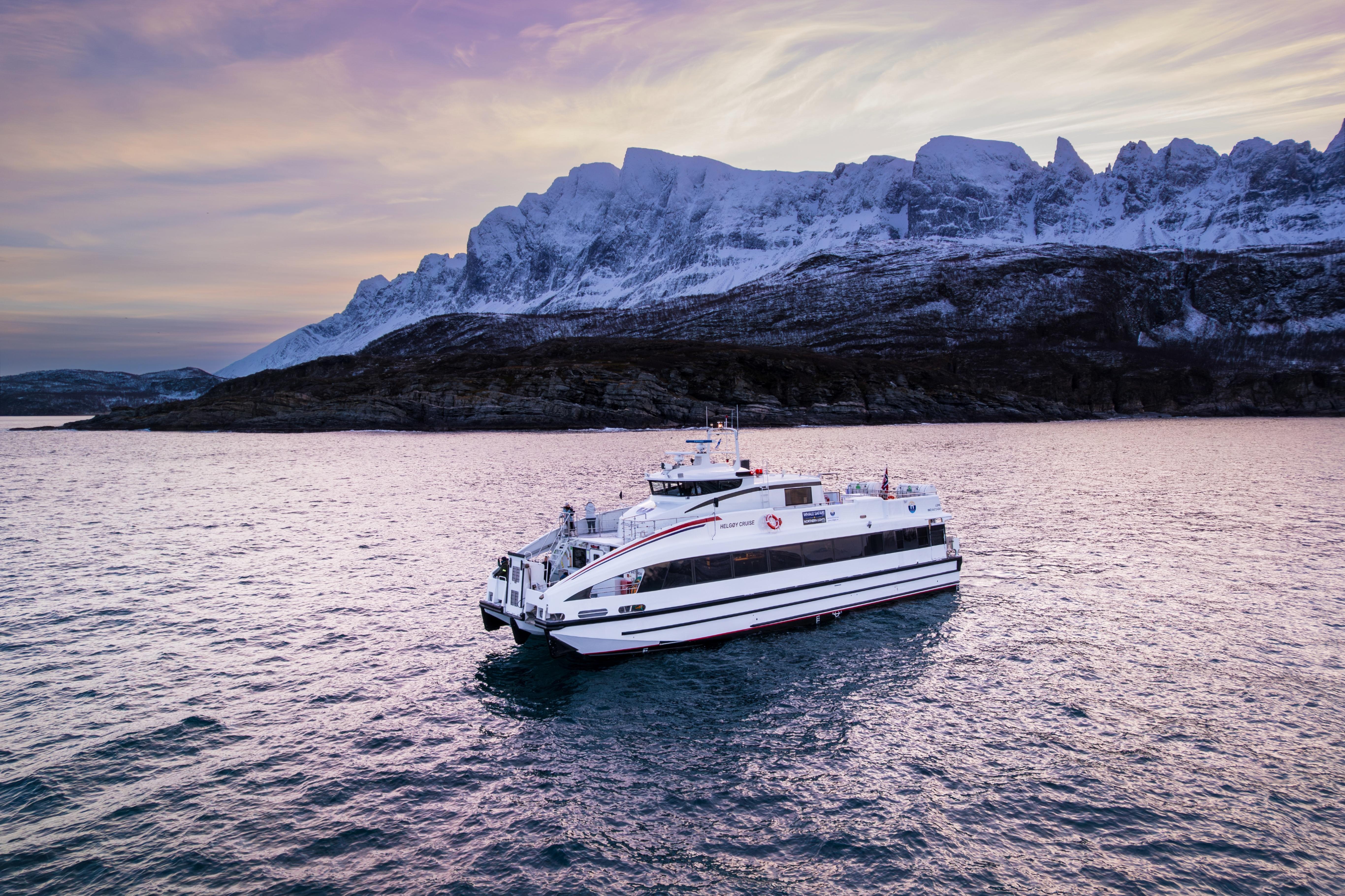
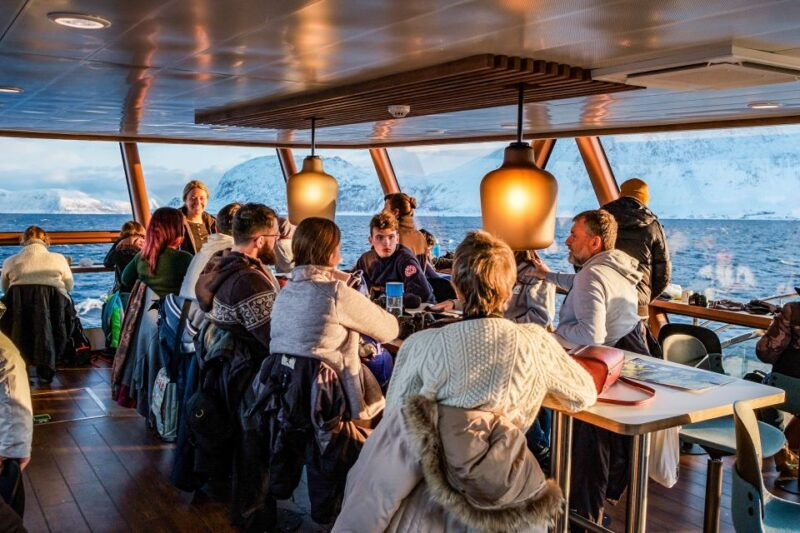
Comfortable indoor cabins featuring floor-to-ceiling glass windows. These lounges allow travelers to observe the Arctic scenery in heated comfort when outside temperatures drop below minus 10 degrees Celsius. The interior stays around a cozy 20 degrees Celsius.
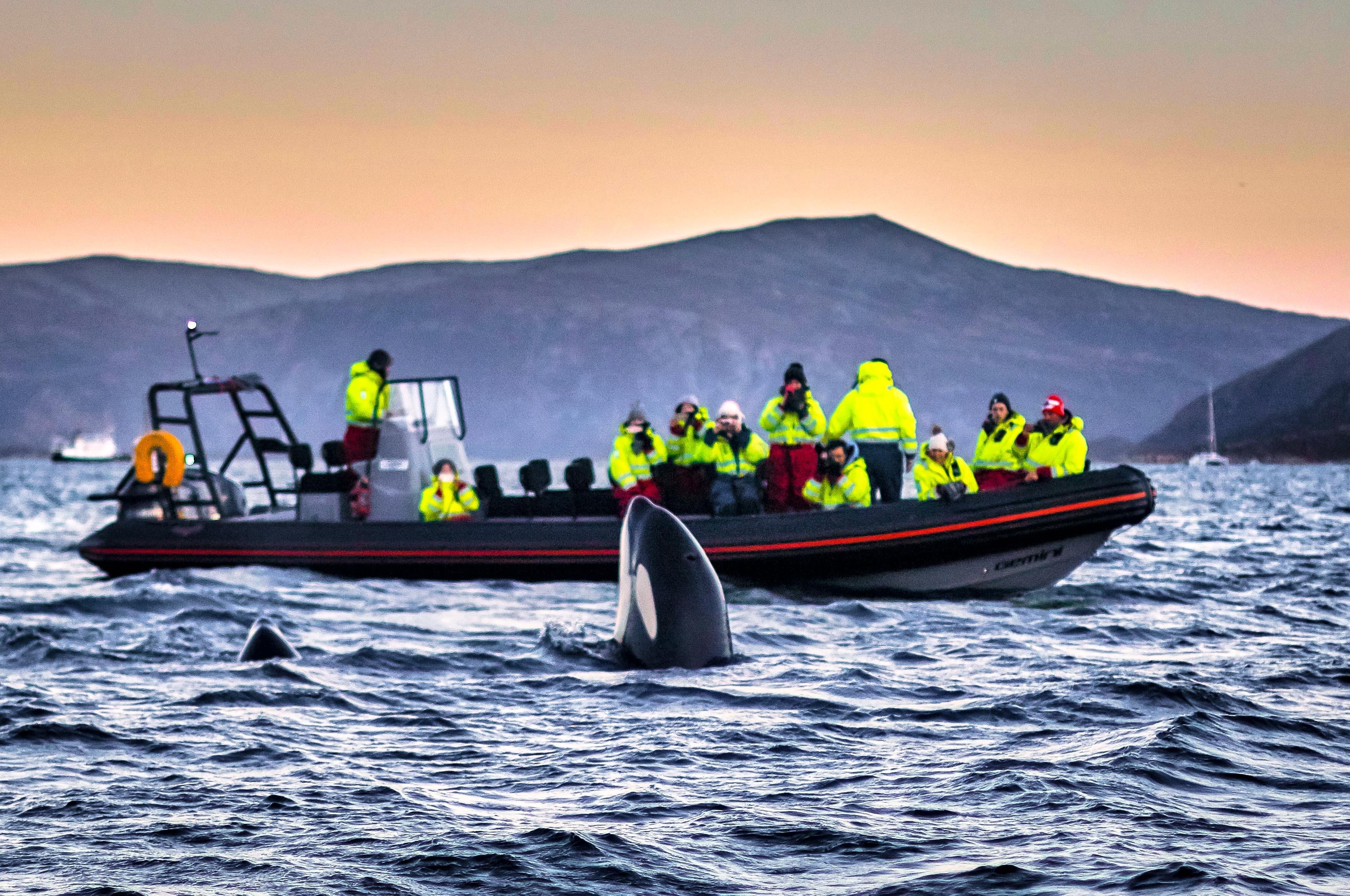
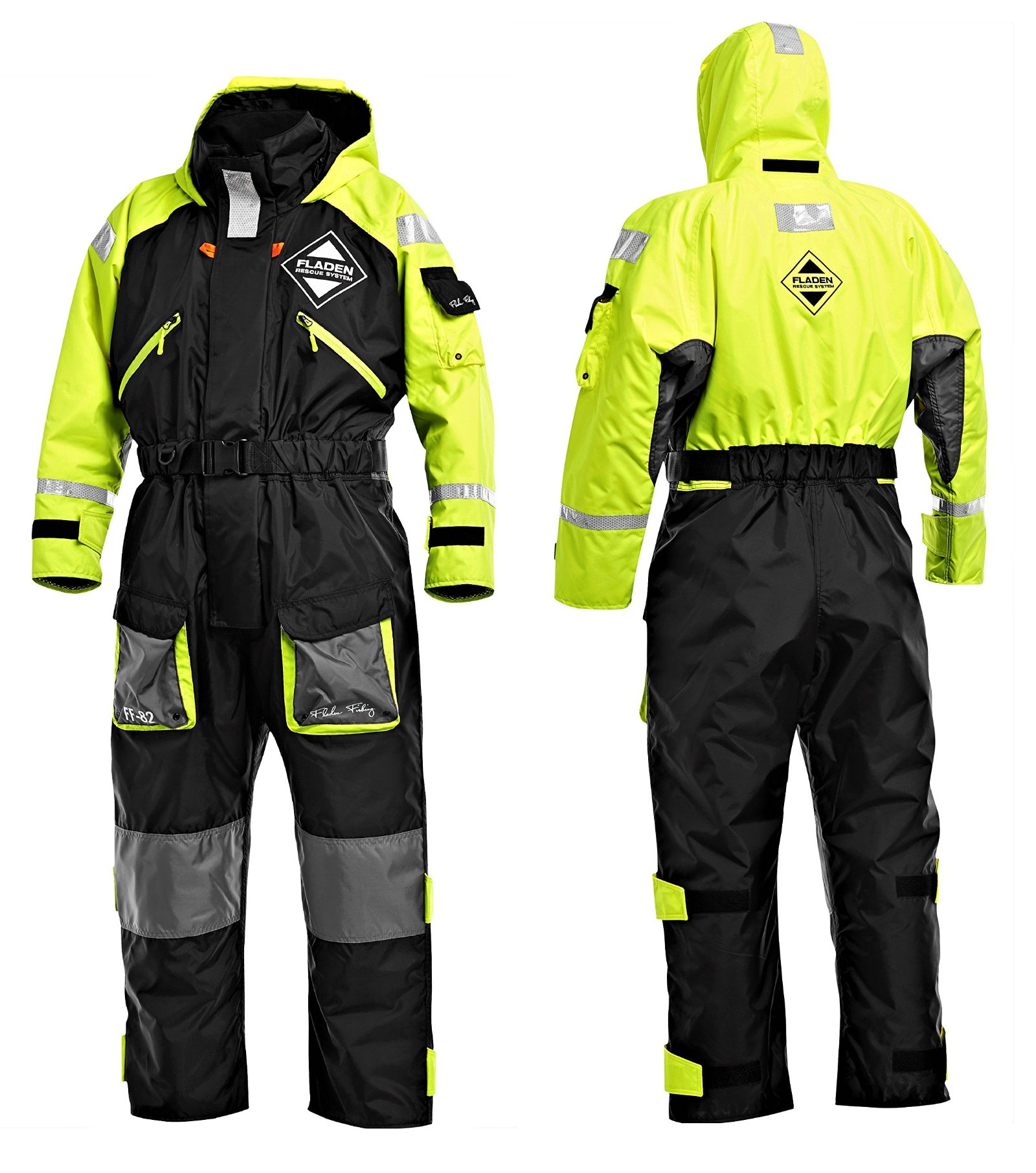
The preparation area where passengers get fitted for rigid inflatable boat excursions. Staff provide heavy-duty thermal flotation suits and goggles designed to withstand wind chills at speeds up to 30 knots. Every participant must suit up here before boarding.
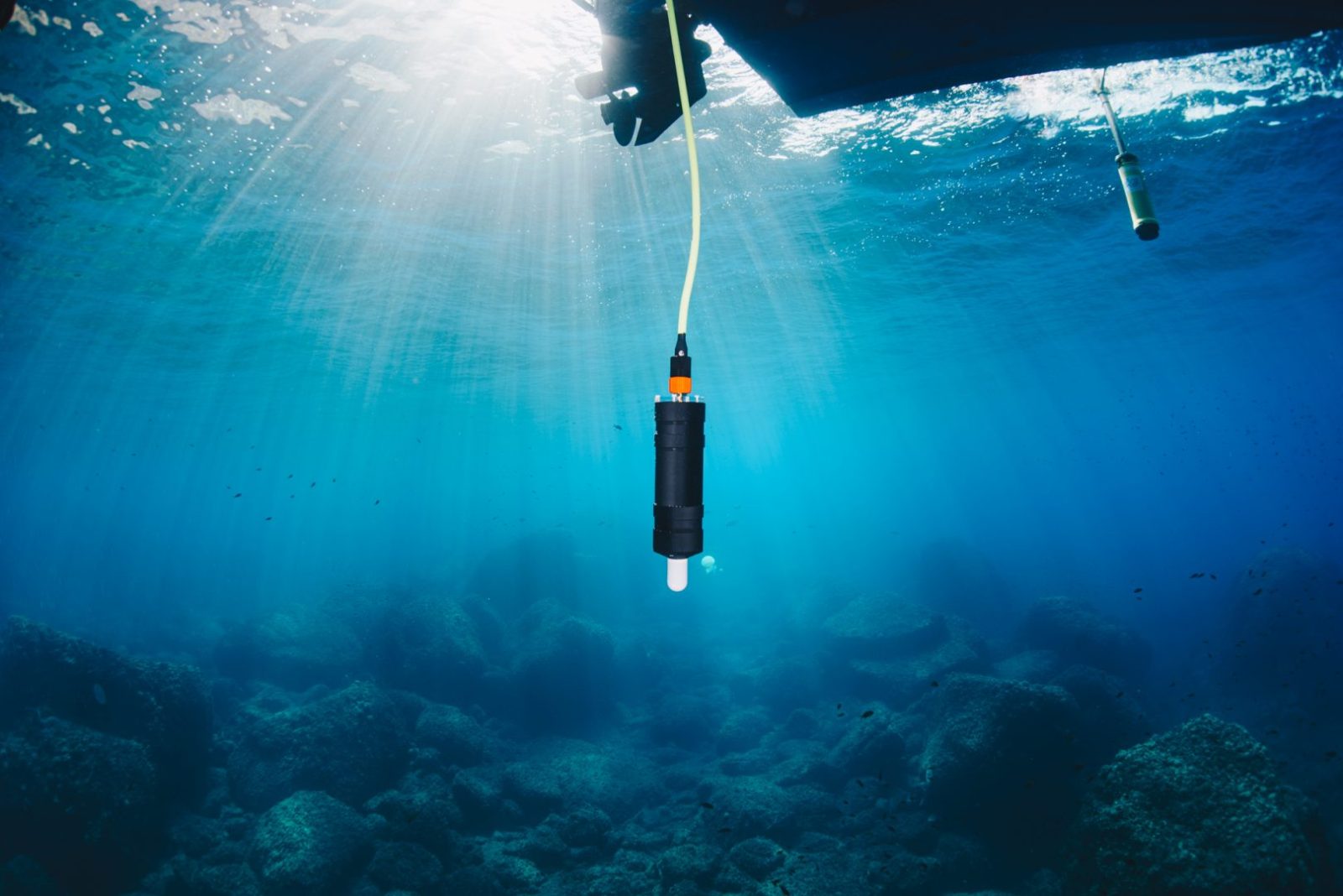
Specialized underwater microphone equipment used on hybrid-electric vessels. The crew lowers the hydrophone up to 10 meters deep to broadcast the live vocalizations, clicks, and whistles of nearby orcas. This system lets passengers hear communications across a 2-kilometer radius.
You reach Samuel Arnesens gate 5 between 07:00 and 08:00, before the morning departures, while the quay is still lit by sodium lamps and the terminal doors are propped open. Entry to the harbour costs nothing — 0 NOK — and the area is open from 06:30.
You collect your tromso whale watching tickets, then queue for the thermal suit: step in, zip to the chin, pull the hood back until you need it.
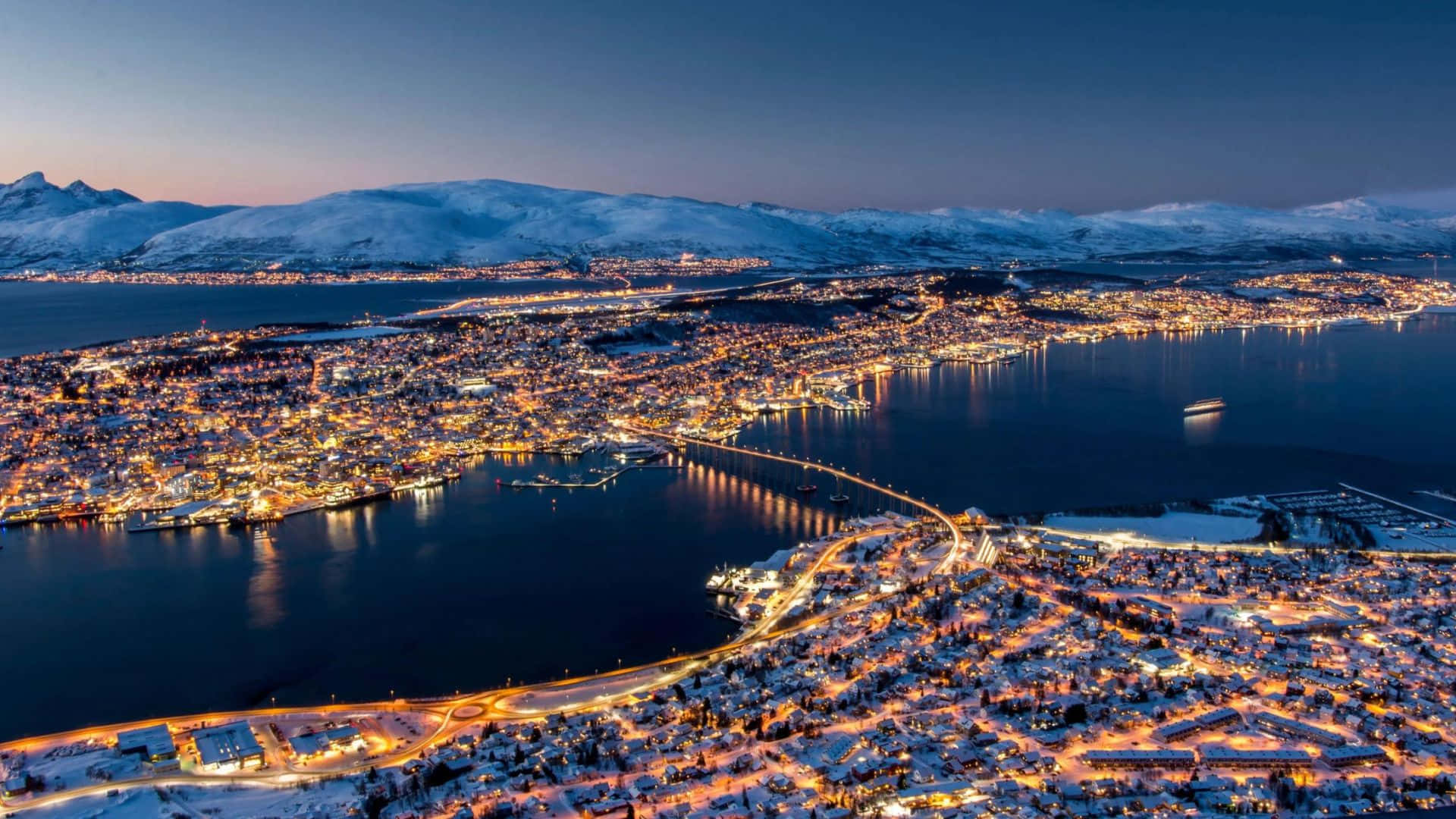
The safety briefing runs on deck. You learn where the throw rings sit, which rail to hold in swell, and why nobody moves to one side of the vessel at once. Then the lines come off and Tromsø slides astern — the Arctic Cathedral's white fins, the bridge, the last streetlights of Tromsøya.
Out in the fjord you stand still for a long time. You watch the horizon for blows, which arrive as thin vertical smudges before you hear anything. When the crew cuts the engine, listen: the exhale carries across flat water like a door opening. You lift the camera late, because the first surfacing is always for your eyes.
On a tromso whale watching tour in November the light lasts perhaps four hours, so you shoot at high ISO and low expectations. Back at the quay you unzip, hand back the suit, and walk into town with salt drying on your face.
All the details about your upcoming adventure in one place
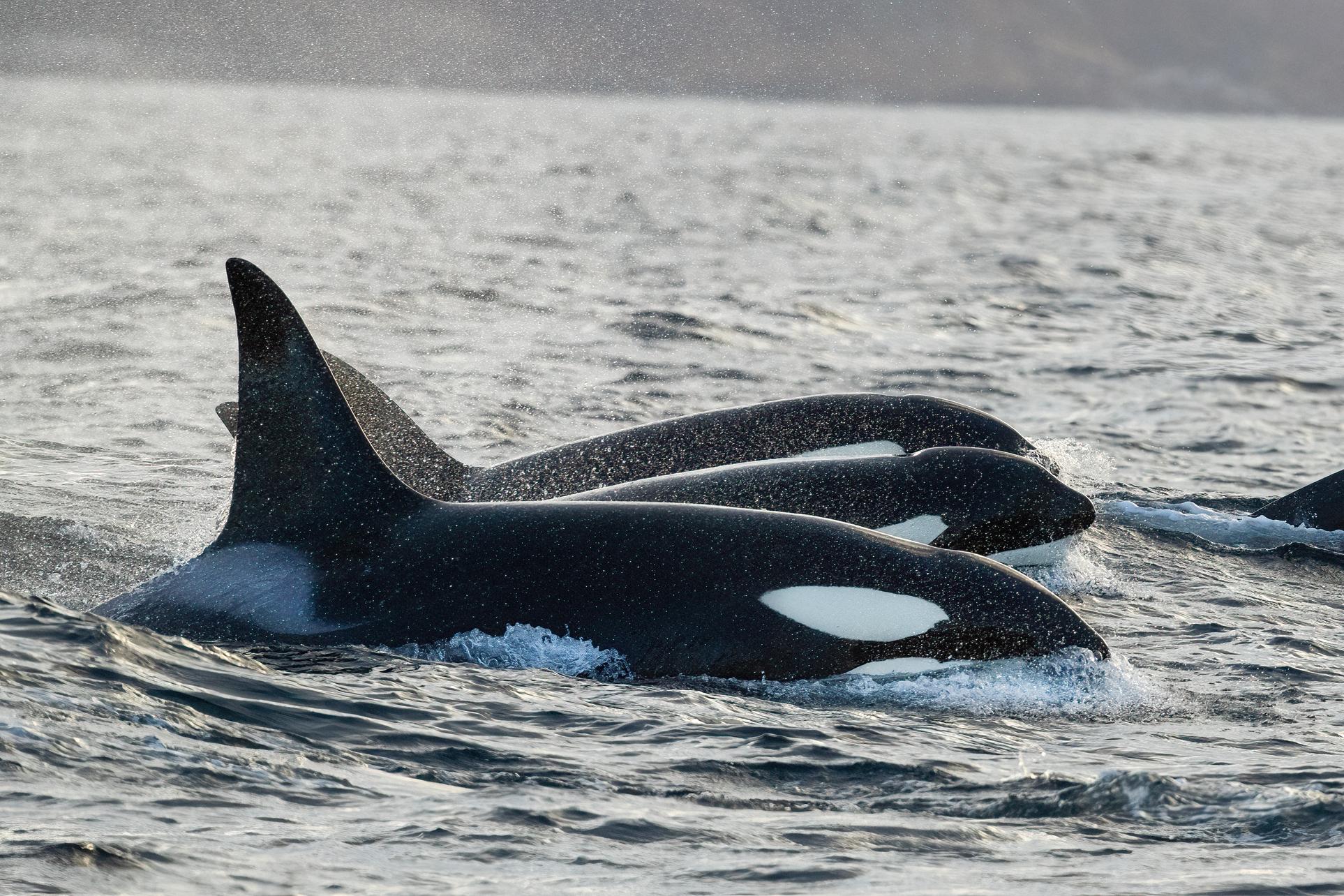
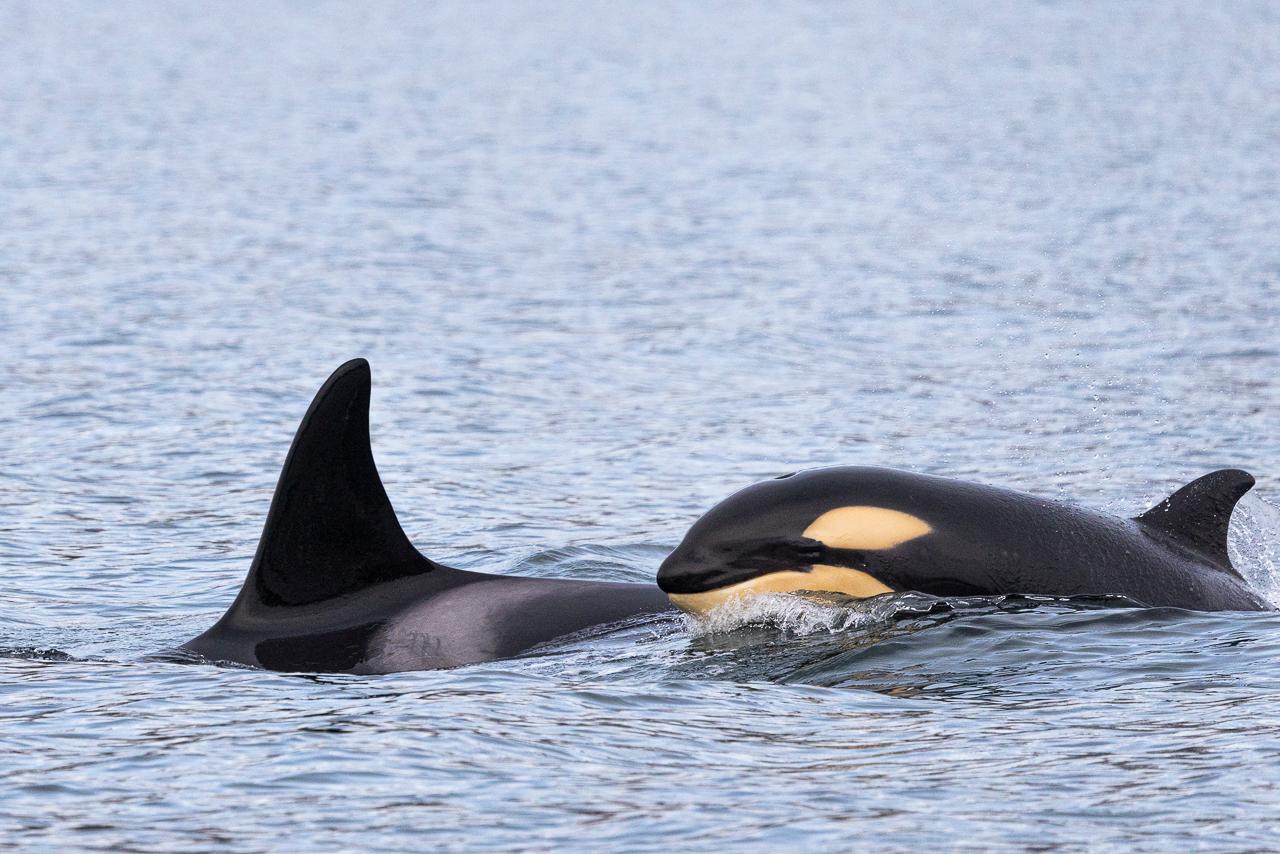
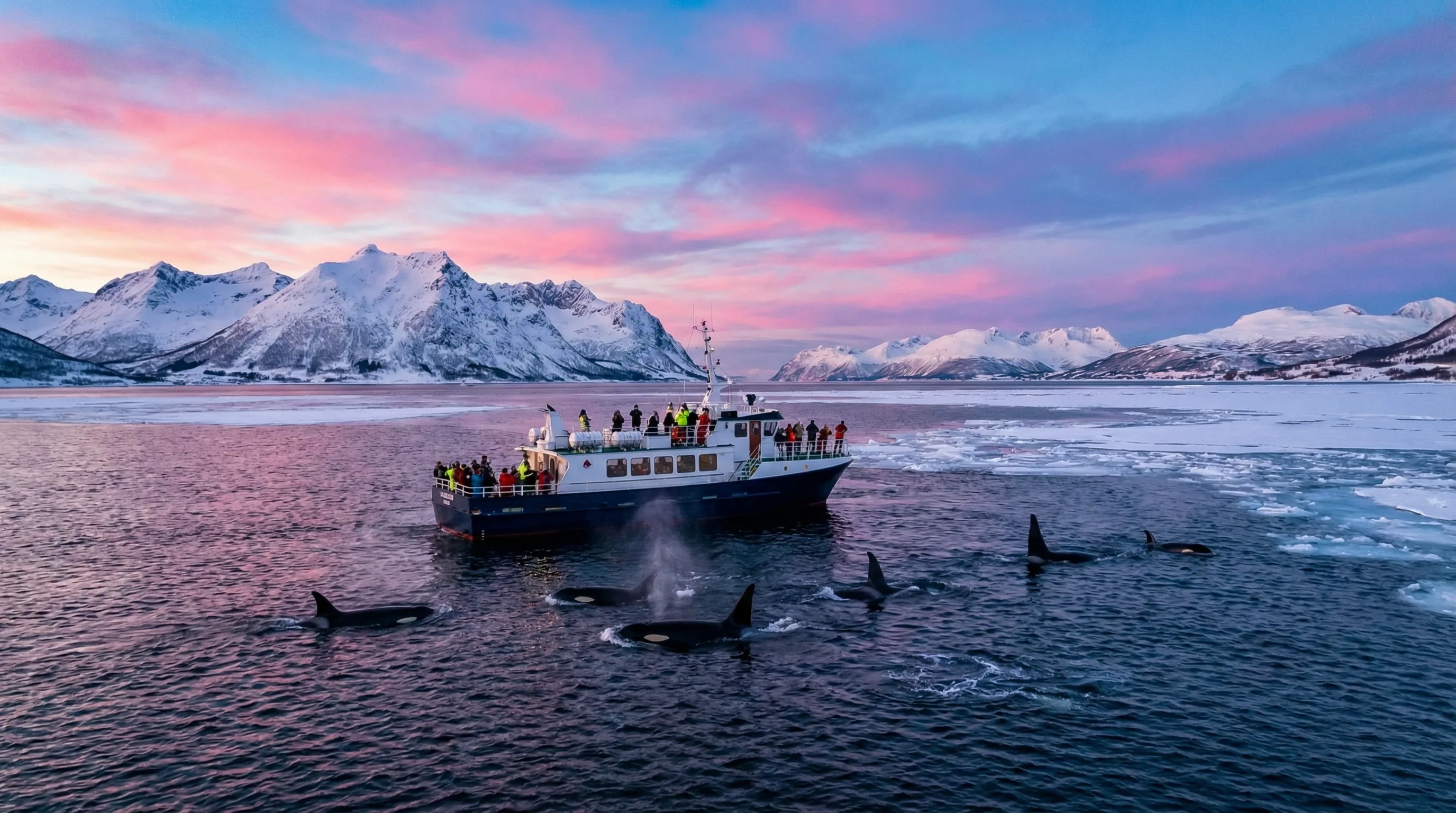
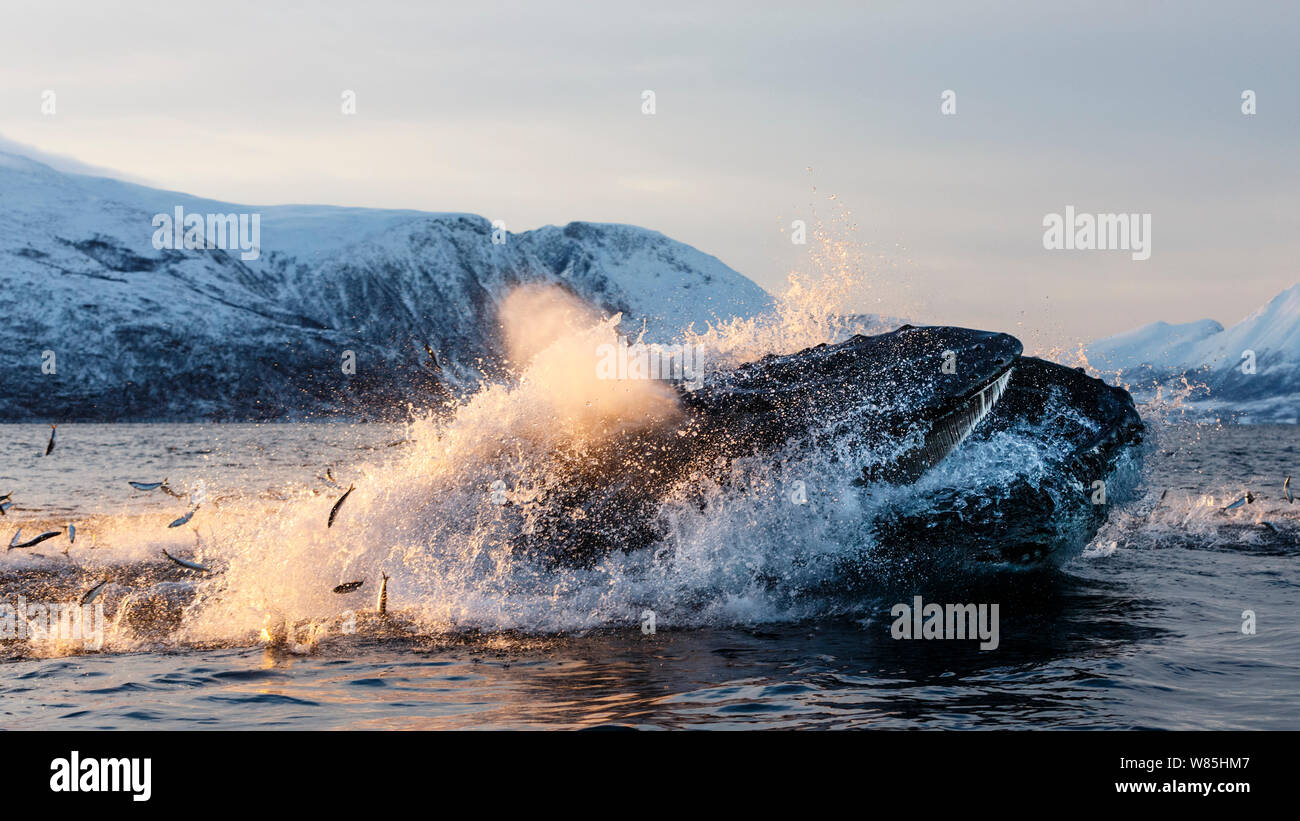
Setting out from the harbor, tromso whale watching brings you across the Arctic waters where orcas and humpbacks gather to feed near the coastal fjords. Guided by marine naturalists aboard hybrid-electric catamarans, these tromso whale watching tours pair silent-approach vessels with onboard hydrophones so you can hear the pods as well as see them. A Tromso fjord cruise like this stays close to the herring shoals that draw the whales inshore each winter.
In 2011, the herring changed address. For decades the Norwegian spring-spawning stock had wintered in Vestfjorden near Lofoten; then, without ceremony, the shoals moved north into the fjord systems around Tromsø and Kvænangen, and the whales followed them.
What had been a fishing region became, within a single season, one of the most reliable cetacean corridors in Europe.
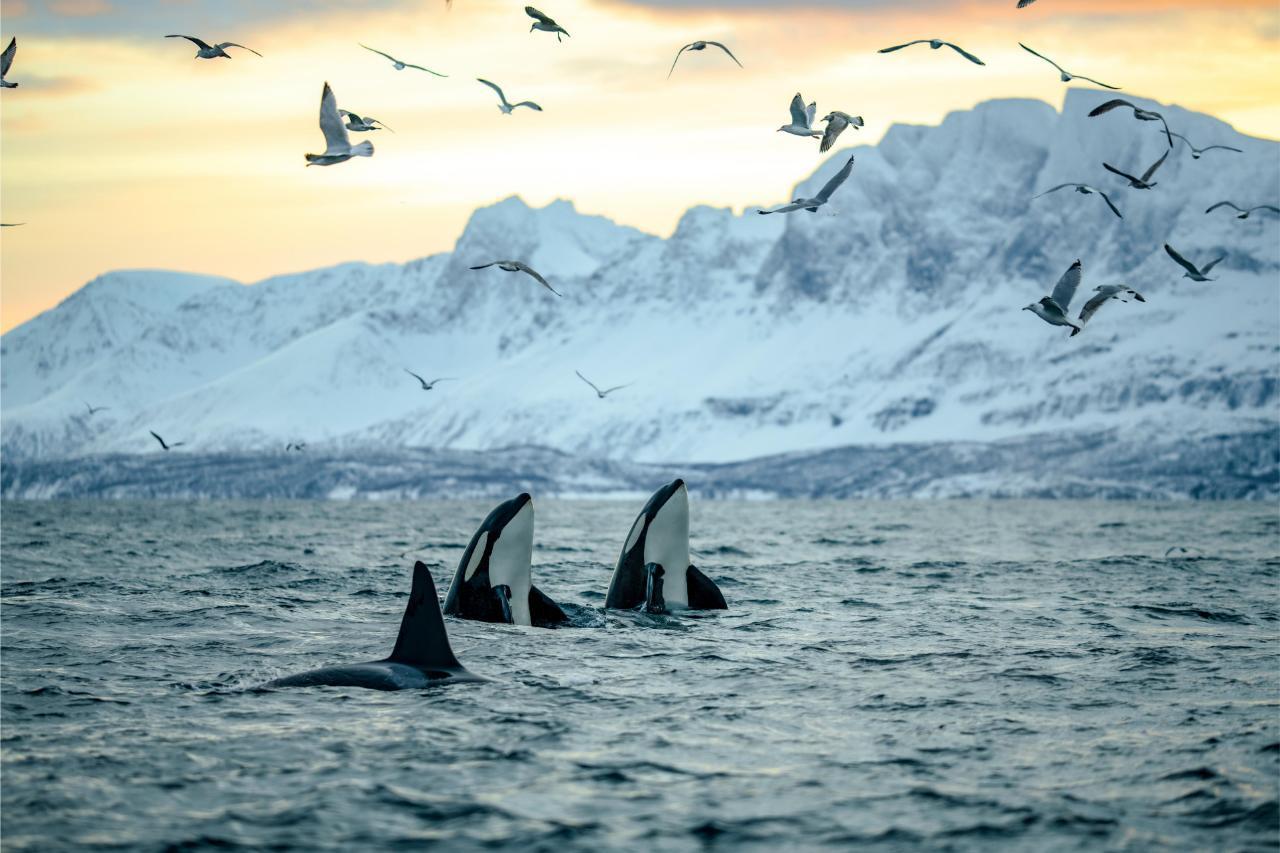
The hunt itself is older than the tourism. Humpbacks and orcas have exploited the herring's winter congregation for as long as the fish have gathered, using carousel feeding — orcas circling a shoal into a tight ball, stunning it with tail slaps, while humpbacks lunge through from below. Tromsø's own maritime history ran the other direction. The city was Norway's Arctic hunting capital, outfitting sealers and whalers for Svalbard and the Barents Sea from the 1820s onward, and the wooden schooners that once carried harpoons now have descendants carrying hydrophones. That inversion — from extraction to observation — is the quiet subject of modern tromso whale watching, and it is barely a generation old.
Geography does the rest. Tromsø sits on Tromsøya at 69.6° north, ringed by Kvaløya, the Lyngen Alps and a network of deep, ice-free fjords warmed by the North Atlantic Current. Depth, current and shelter combine to hold bait fish close to shore, which is why a tromso whale watching tour rarely needs open ocean. The polar night, running from late November to mid-January, adds its own condition: sightings happen under blue twilight, aurora, or the low bronze light of a sun that never clears the ridgeline.
Season governs everything. The tromso whale watching season is a winter phenomenon, concentrated between early November and late January, with tromso whale watching november and tromso whale watching december historically the densest weeks. Summer months such as tromso whale watching august belong to other species — minke, porpoise, the occasional fin whale — and to a different quality of light entirely. Regulated approach distances, introduced as sightings grew, now shape how vessels behave near a pod.
The harbour and terminal area at Samuel Arnesens gate 5 remain free to enter at 0 NOK, open 06:30–01:30 daily. It is an ordinary working quay: bollards, diesel, gulls. What departs from it is not ordinary at all.

The wooden schooners that once carried harpoons now have descendants carrying hydrophones.
When preparing for a Tromso whale watching excursion, dressing in multiple warm layers is essential. While operators supply heavy insulated thermal suits, you still require woolen thermal underwear, a thick fleece, woolen socks, insulated boots, and gloves to withstand sub-zero wind chills at sea.
There are no security checks to access the main quayside, but vessels enforce strict space and weight limits for safety. Carry only small daypacks onboard and store larger suitcases in the self-service luggage lockers located inside the main harbor terminal.
Saltwater spray and sub-zero temperatures present challenges for camera equipment, so using waterproof housings or protective sleeves is advised. Keep spare batteries in inside pockets close to your body heat, as cold Arctic conditions drain charge rapidly.
Most catamarans used for Tromso whale watching have heated cabins, making them suitable for families. However, rigid inflatable boat excursions enforce strict height or age minimums, often requiring children to be at least 12 years old and 140 centimeters tall.
Accessibility depends on the vessel, so choose carefully before booking your Tromso whale watching trip. Large modern catamarans feature ramp boarding and accessible indoor lounges, whereas rigid inflatable boats are inaccessible to wheelchair users or those with back issues.
Passengers are permitted to bring personal snacks and warm drinks in insulated flasks, though cooking or consuming messy hot foods on open decks is restricted. Larger catamarans typically feature onboard kiosks selling hot soup, light meals, and warm beverages.
Quietest before morning departures.
Opening Hours
06:30–01:30
Terminal Address
Samuel Arnesens gate 5, 9008 Tromsø
Entry Ticket
0 NOK (Free entry to the harbor and terminal area)
Arrival Recommendation
07:00–08:00 — Arrive before morning tour departures for boarding and safety briefings.
Luggage Storage
Locker facilities available inside the terminal building.
Public transport · 5-15 min · 40 NOK
Local city buses (such as lines 42 and 33) stop directly at the Prostneset terminal at Samuel Arnesens gate 5. Regional buses also terminate here, providing easy access from nearby municipalities.
Walk · 5-10 min · 0 NOK
The main boarding harbor is located in the heart of Tromsø city center, making it a short, flat walk from most central hotels, including the Clarion Hotel The Edge.
Taxi · 2-5 min · 150 NOK
Taxis can drop passengers off at the designated lane right outside the terminal entrance at Samuel Arnesens gate 5. Dedicated accessibility drop-off points are available via the ramp.
Individual tour operators have distinct cancellation terms, though most offer a full refund if canceled at least 24 hours prior to departure. There is 0 NOK (Free entry to the harbor and terminal area) to access the meeting docks, but you must purchase separate tickets for your actual Tromso whale watching trip.
Recommended time
6 to 9 hours
Experiencing tromso whale watching is a popular winter activity in Northern Norway. While the basic boarding process at the harbor terminal is quick, visitors should reserve tickets months in advance to secure a spot. A standard tromso whale watching tour lasts 6 to 9 hours, covering safety briefings, transit to Skjervøy, and whale sightings. You should add extra buffer time if you plan to rent thermal gear or explore the harbor area after returning.
Crowd levels through the day
Weather · crowds · average price — dots go green to amber to red as each metric rises.
Peak winter whale season when migrating herring draw large pods of humpbacks and orcas. Limited daylight creates golden twilight effects ideal for photography.
Late winter period when whales have mostly moved north, causing regular tours to cease. Sightings are extremely rare as activities shift to northern lights searches.
Spring and summer months featuring 24-hour daylight under the midnight sun. Fjord cruises are active for sightseeing, but whale sightings are rare.
Fall shoulder season with dropping temperatures. Early herring scouts can occasionally draw the first pods of killer whales back to the channels by late October.
Prepare for very limited daylight during the winter migration as the sun does not rise above the horizon from late November to mid-January.
A hybrid-electric vessel offers a quiet, stable experience with warm indoor lounges, while a rigid inflatable boat gets you closer to the water level but is much colder.
Due to the popularity of seeing humpback whales and killer whales, excursions during the peak winter season sell out months ahead.
The Arctic Ocean can have heavy swells, especially on the journey north towards Skjervøy, so taking preventative medication is highly recommended.
Thermal suits provided by operators are excellent, but you still need your own woolen undergarments, a warm hat, and windproof gloves.
Cold air rapidly drains lithium-ion batteries; store your camera and phone in inner pockets close to your body heat when not filming.
Samuel Arnesens gate 5, 9008 Tromsø
The main departure hub where most catamarans and buses to Skjervøy depart. Meet near the red and blue tour counters on the ground floor.
Get directions
Taking children on a tromso whale watching excursion requires careful preparation for the freezing sub-zero fjord environment. These trips often last between six and nine hours, meaning youngsters must remain warm and patient while searching for marine life.
Choose large hybrid-electric catamarans rather than open RIB boats when booking your tromso whale watching tours with younger children. While RIBs have strict safety restrictions, often requiring children to be at least 140 cm tall or 14 years old, catamarans feature warm indoor cabins. This setup allows families to view humpbacks and orcas without enduring freezing winds.
Cold temperatures on the water feel much colder than on land, so dressing in multiple wool layers is crucial. While many operators provide thermal suits, they are rarely sized for toddlers, so parents must bring their own windproof gear, mittens, and insulated boots.
Large passenger catamarans are generally stroller-accessible, though prams must be folded and stored during the tromso whale watching tour. Boarding can be tricky during low or high tides due to steep gangways, so the crew will assist you in transferring gear.
Larger ships feature heated indoor lounges, toilets, and baby-changing tables, which are essential on these long trips. Make sure to purchase your tromso whale watching tickets for these larger vessels to guarantee access to these amenities.
If you are going on a tromso whale watching excursion, packing your own lunch is a smart way to save money during the eight-hour journey. For convenience, you can purchase hot meals onboard the vessel or dine near the departure docks at Prostneset terminal.
Serves warm soups, local flatbreads, and Norwegian waffles as you cruise the fjords. Pre-ordering hot lunch plates with your tromso whale watching tickets is recommended as options sell out.
Located directly inside the terminal building at Samuel Arnesens gate 5. It opens in the afternoon, making it a great stop after wrapping up your afternoon tromso whale watching tour.
A historic, tiny wooden kiosk serving reindeer sausages and warm toddy. It is perfect for a quick bite before boarding the morning tromso whale watching tours.
Located at the harbor meeting point just steps from the boats. This cozy venue is famous for hearty fish soup and traditional Northern Norwegian seafood.
Real experiences from real travelers
We booked a tromso whale watching tour out toward Skjervøy and spotted a pod of orcas within the first hour. The light barely climbed above the horizon during polar night, turning the fjord a deep ink blue. Bring far more layers than you think you need.
The electric catamaran let us drift close to feeding humpbacks without any engine noise. Herring shoals had pulled dozens of whales into Kaldfjord that week. Watching them lunge through the surface was worth the frozen hands.
The hvalsafari Tromsø experience meant a long RIB ride through freezing spray, so the drysuit they provided was essential. We saw two humpbacks and a distant orca fin. Seas were choppy that morning, so pack motion sickness pills.
Grabbing our tromso whale watching tickets online saved us stress during peak season. Even in late summer the guides explained where the pods migrate come winter. The Arctic scenery around Kvaløya alone made the trip.
Our guide tracked orca movements by radio and repositioned the boat twice to keep us close. The fjord sat glassy under a low midnight sun glow. A Tromso whale safari like this really needs a patient captain, and ours delivered.
The tromso whale watching tours run in near-darkness this time of year, which only added to the drama. We spotted humpbacks blowing mist against the snowy peaks near Skjervøy. Just know the day trip is long with a very early start.
Even as a local I joined a tromso whale watching trip and still felt the thrill when orcas surfaced beside the hull. The crew served hot fish soup, which was welcome in the biting wind. Photography was tough in the low winter light.
We left the harbour before dawn and the boat glided quietly past snow-dusted islands toward the feeding grounds. Two humpbacks dove close enough that we heard their breath. The shifting Arctic light over the water stayed with me for days.
The wind chill on the open deck was brutal, so the thermal suits made all the difference. We watched orcas herd herring into a tight circle for nearly twenty minutes. The Skjervøy waters felt calmer than the earlier stretch.
Everything you need to know for your journey
The peak season for a Tromso whale watching trip runs from late October to late January, matching the winter migration of herring.
Boats leave from the harbor terminal area at Samuel Arnesens gate 5, 9008 Tromsø, with boarding usually taking place between 07:00–08:00.
You can secure your Tromso whale watching tickets online through the official site at https://www.visittromso.no/whale-watching or via authorized local operators.
Yes, families are welcome, but note that rigid inflatable boats have age and height restrictions, whereas catamarans are highly suitable for children.
Dressing in multiple thermal layers is required for a cold Tromso whale watching excursion, even if your operator provides thermal suits.
Many modern catamarans used for a Tromso whale watching tour feature wheelchair ramps and accessible decks, but RIB boat excursions do not.
Most large vessels operating a Tromso whale watching cruise have heated indoor kiosks selling warm soup, tea, and snacks.
If an operator cancels due to extreme weather, you will receive a full refund, which applies to pre-booked Tromso whale watching tickets.
Large suitcases must be stored in the luggage lockers at the terminal at Samuel Arnesens gate 5, 9008 Tromsø, but daypacks are permitted onboard.
No, flying drones is strictly prohibited during wildlife excursions to avoid disturbing the whales and other marine species.
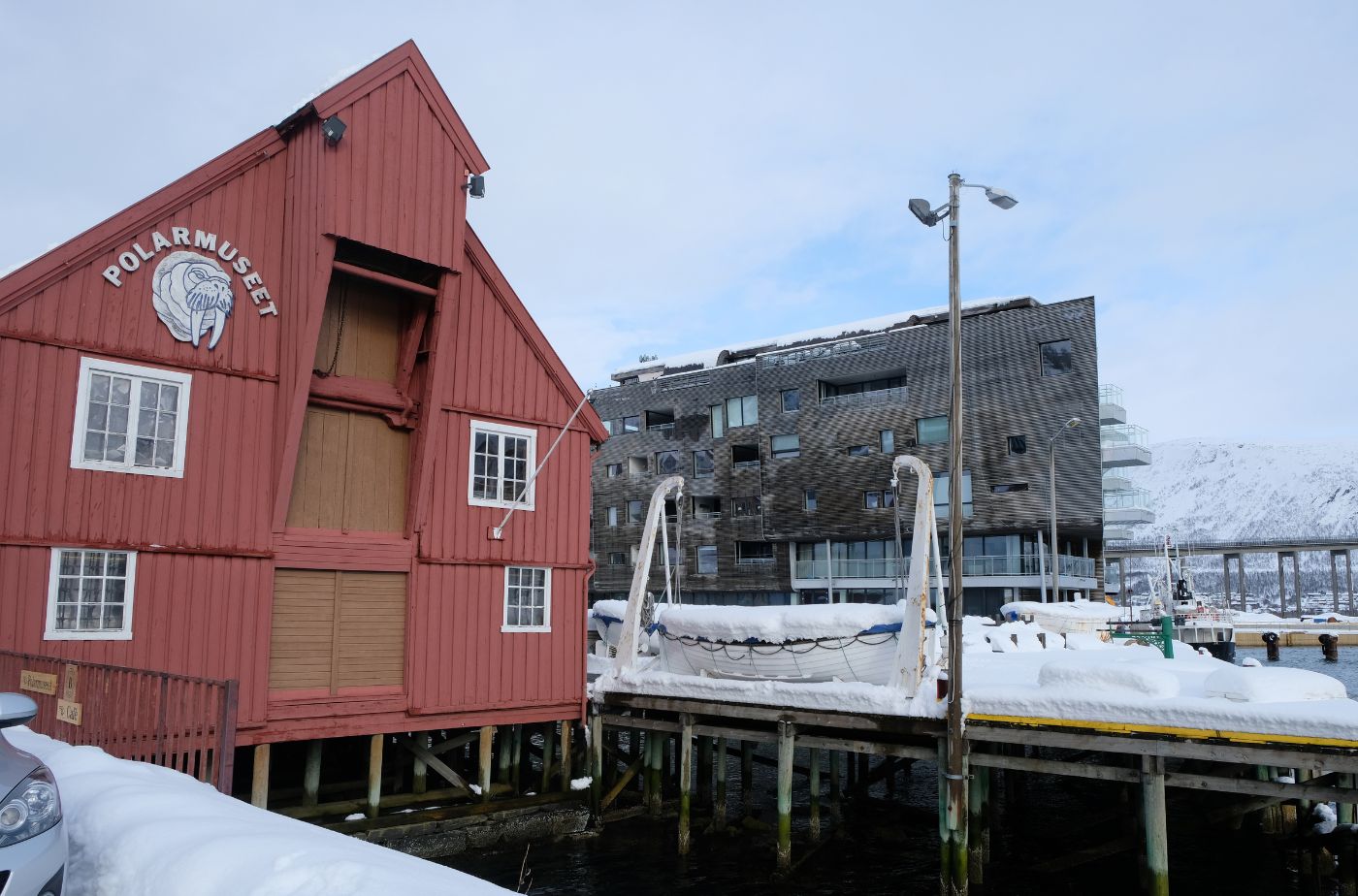
Exhibits chronicling historic Arctic hunting expeditions and polar exploration. Located in a 1830s warehouse near the harbor.
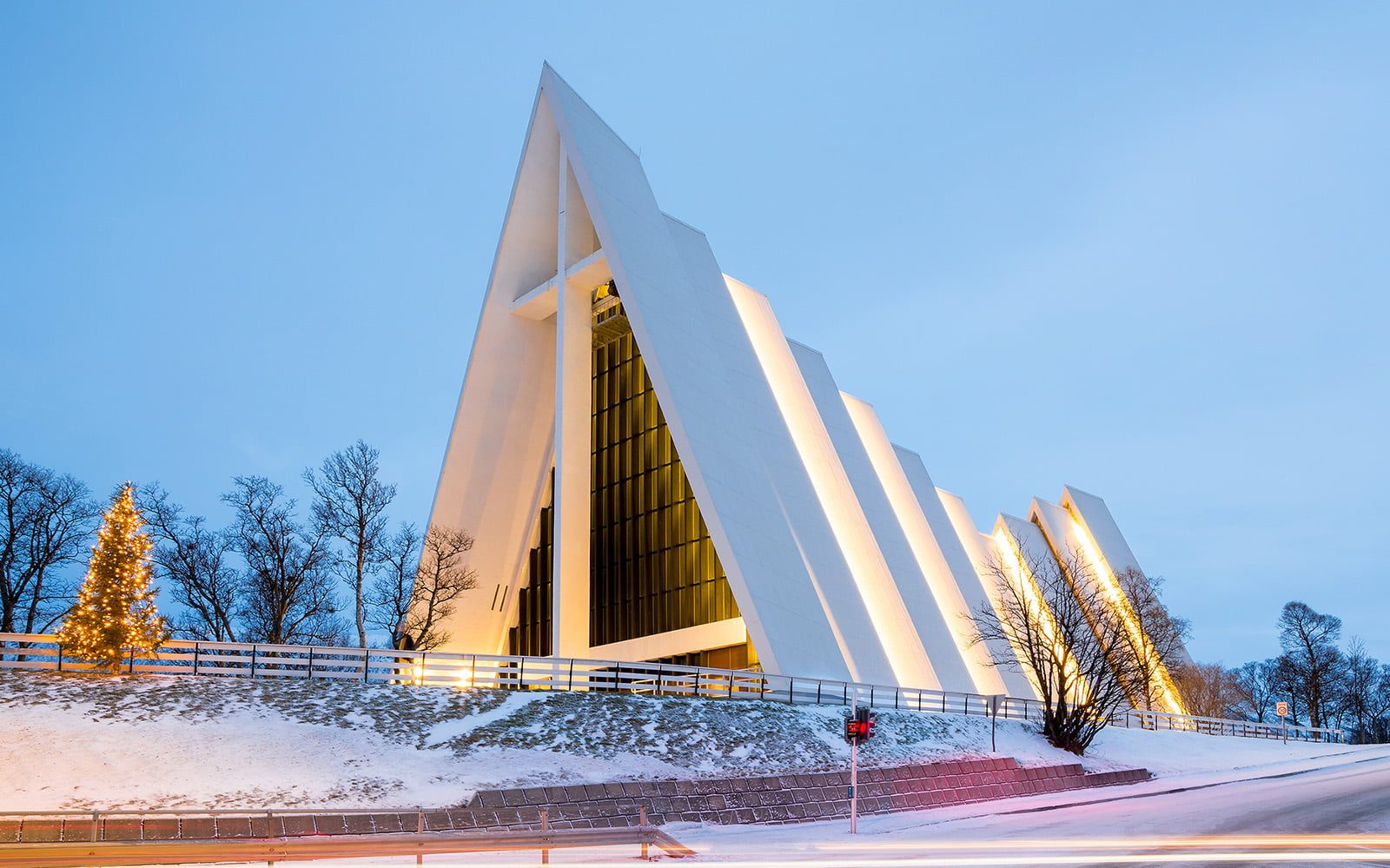
Distinctive modern landmark built in 1965 featuring a striking aluminum roof and a massive stained-glass window. Walk across the Tromsø Bridge to reach it.
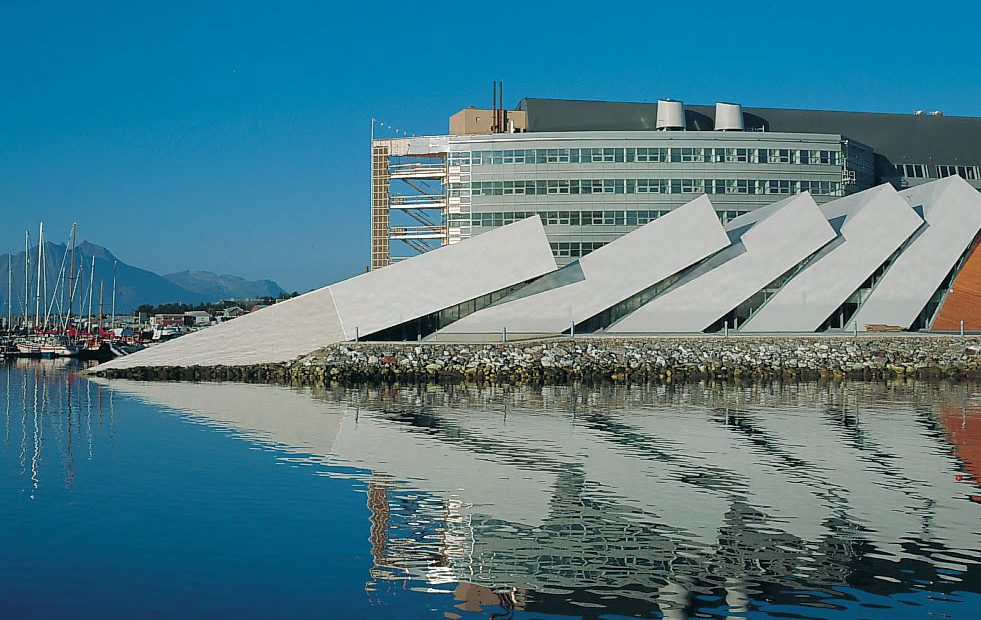
Arctic-themed experience center housed in a building shaped like collapsing ice blocks, featuring a seal aquarium.
One of Norway's largest wooden churches, built in 1861 in the Gothic Revival style, situated in a small park.
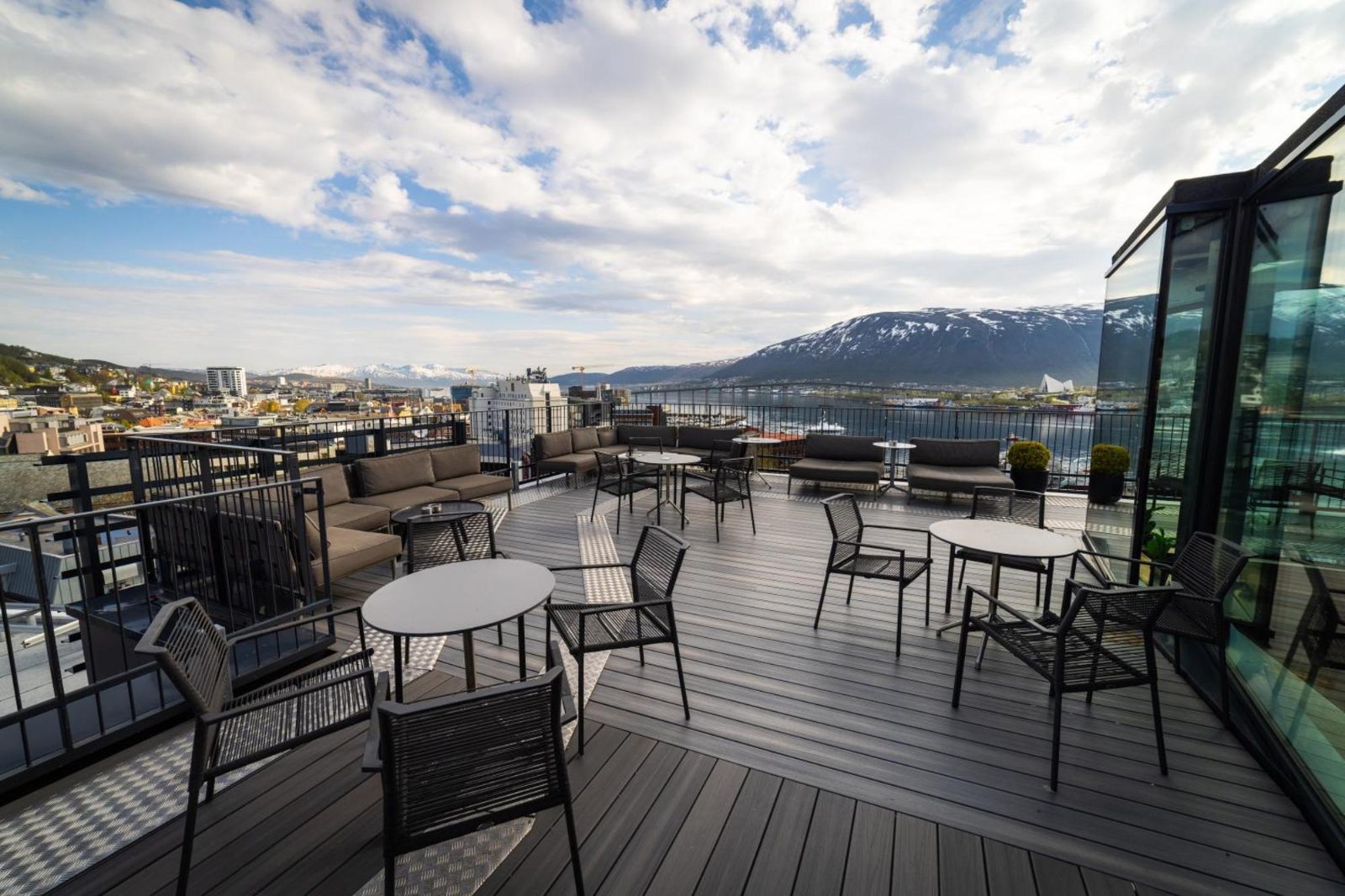
Modern waterfront hotel featuring a popular skybar and views over the Tromsøysundet strait.
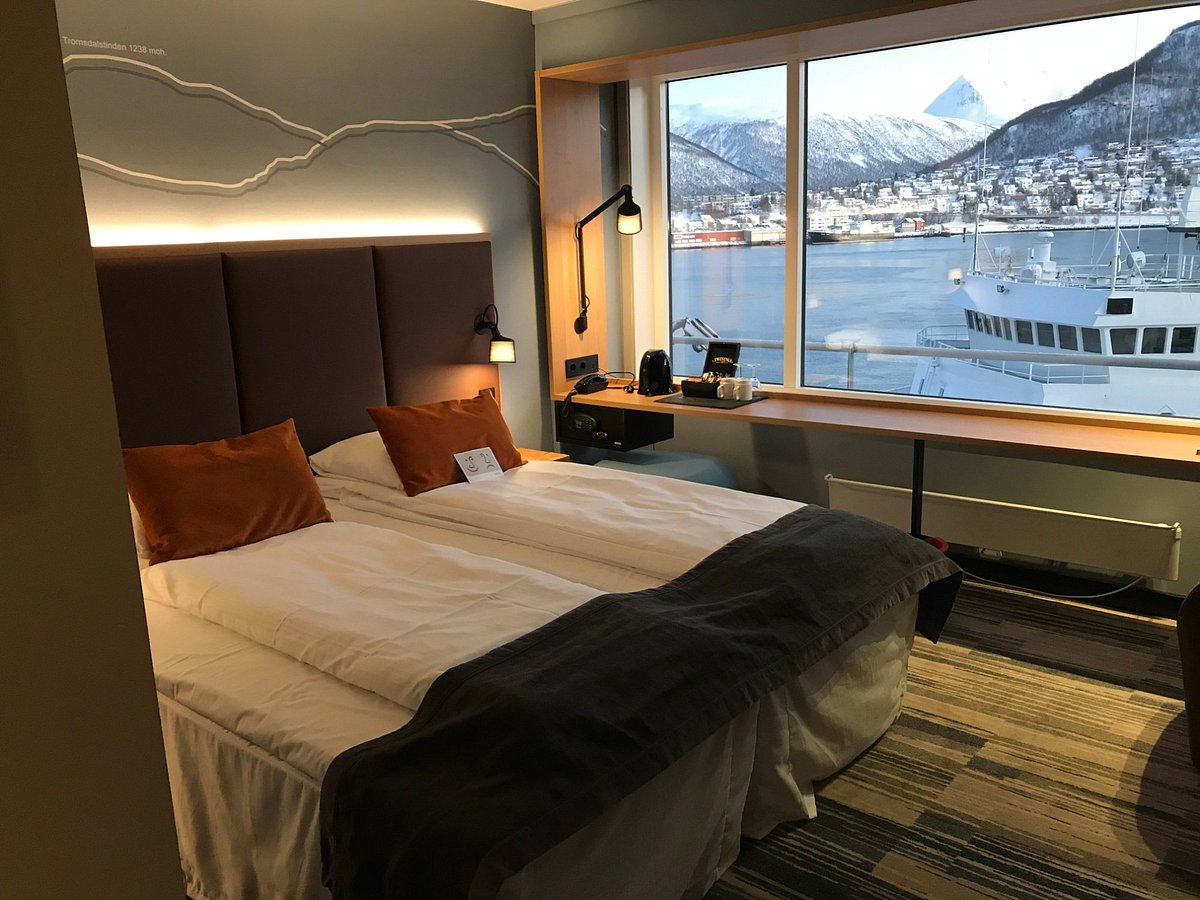
Ideally located on the quay, offering panoramic views of the harbor and easy boarding access.
Centrally located hotel with a focus on self-service, located just a street away from the main terminal.
Join thousands of happy travelers who have discovered this incredible experience
Book Your Experience Now