

Quick answer
The core season falls between November and January, when Arctic herring crowd the fjords around Tromsø and draw humpbacks and orcas within reach of the coast. Watching from land is free (0 NOK); boat tours require booking. Sightings taper by late January as the herring move on, so mid-season weeks tend to offer the steadiest activity.
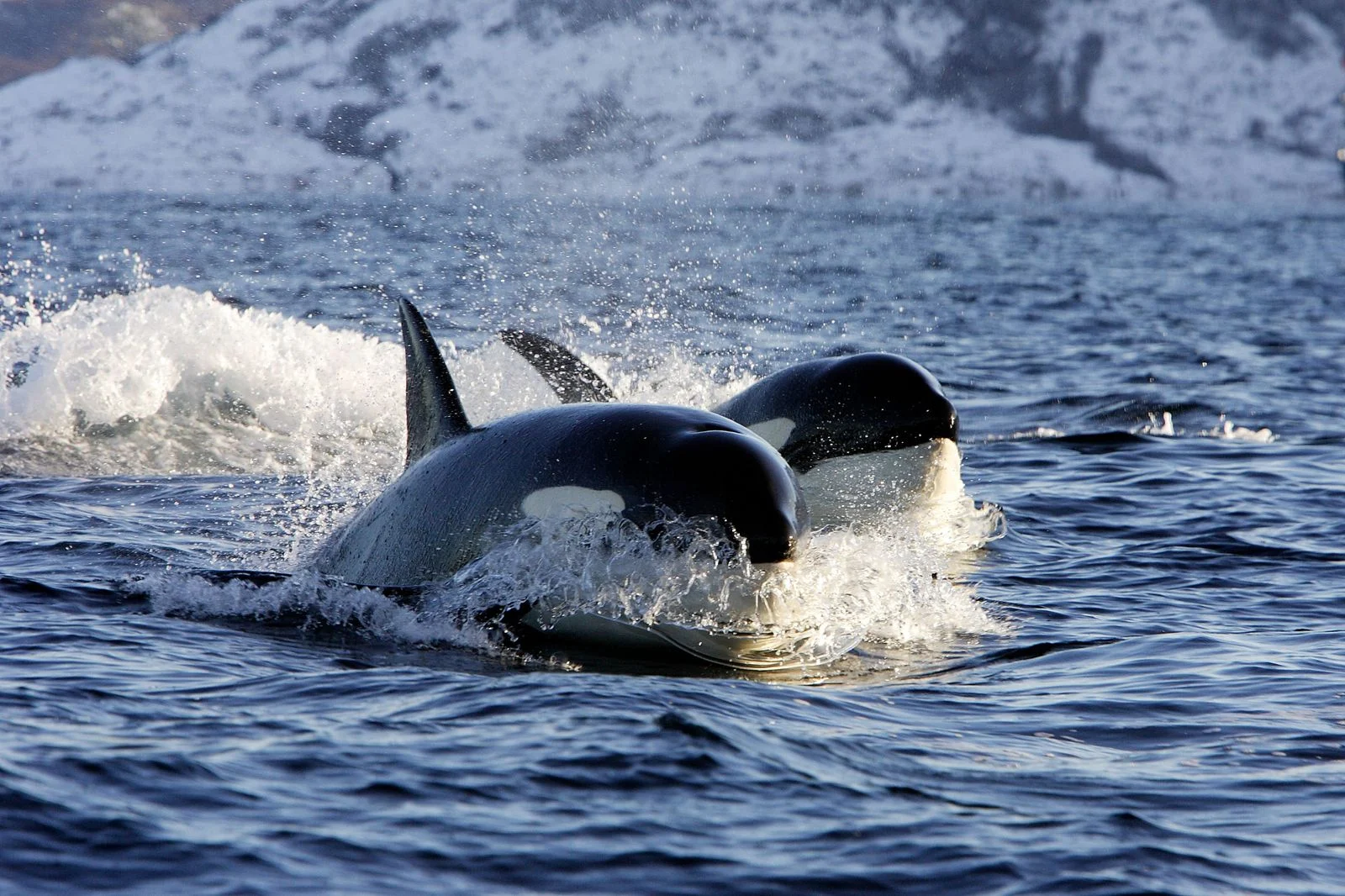
The whales that define winter here are chasing dinner, not scenery. Each year vast shoals of Norwegian spring-spawning herring shelter in the fjords north and east of the city, and the predators follow. That single migration is the engine behind the entire tromso whale watching season, turning quiet dark-month waters into feeding grounds for humpbacks and orcas. Timing tracks biology rather than the calendar. When the herring arrive, so do the animals; when the fish move on, the fjords empty. In recent winters the shoals have gathered around Skjervøy and the waters beyond Kvaløya, sometimes an early-morning ride from the harbour at Prostneset. The exact stage shifts from year to year, which is why locals describe a good hvalsafari Tromsø in terms of where the herring are, not a fixed date. For a visitor, the practical takeaway is simple. Watching from land costs nothing, and a patient observer on the right headland can catch a spout or a dorsal fin against the pale Arctic light. A guided Tromsø whale watching tour reaches the deeper channels where pods work the bait balls, and demand climbs quickly in the peak weeks, so reservations matter more than they do for most Arctic Norway wildlife outings. Weather sets the mood as much as the wildlife does. Short daylight, cold sea spray and sudden squalls are ordinary, and calm crossings are never guaranteed. Reading a marine forecast before committing to a departure saves disappointment. Those who succeed usually treat the outing as a wildlife encounter with its own rhythms, not a scheduled show. Managed with realistic expectations, the tromso whale watching season rewards flexibility: keep a spare day, watch the herring reports, and let the animals set the itinerary. The payoff is a close view of some of the largest predators in the North Atlantic, framed by the fjords they hunt in each winter.
“The herring decide the season; the whales, and the visitors, simply follow.”
The Peak Tromso Whale Watching Season: November to January
The prime window for whale watching in Tromso runs from November to January, when massive herring shoals draw humpbacks and orcas into the northern fjords. Visiting during these months offers the highest probability of sightings under the soft lighting of the Arctic twilight.
November
Moderate mid-week, busier on weekendsOvercast with temps 2°C to -2°C
Whales begin arriving in the fjords to feed on herring. This month offers a mix of twilight and brief daylight before the winter darkness begins.
December
High during Christmas holiday weeksWinter twilight conditions, -2°C to -6°C
The peak migration is underway with large numbers of orcas and humpbacks present. Viewings take place during the soft, blue twilight hours.
January
Moderate crowds, quiet after New YearColdest month, averages -3°C to -7°C
Whales remain active in the fjords before they begin moving south. Twilight hours increase slightly, providing excellent backdrop lighting for photography.
Weekday mornings
Lowest crowd levels on boats—
Departing during the early twilight allows you to secure the best vantage points on the vessels. Mid-week trips generally offer a more relaxed atmosphere.
Verdict: For the highest whale activity and fewer crowds, book a mid-week trip in early December, arriving between 07:30 and 09:00 to maximize the limited winter daylight.
Debunking Myths About the Tromso Whale Watching Season
Many visitors assume that the arrival of the Polar Night in Tromso halts all outdoor activities due to pitch-black conditions. In reality, the winter months present unique atmospheric conditions that still allow for successful wildlife observation.
MythThe Polar Night makes it impossible to see whales due to total darkness.
FactAlthough the sun remains below the horizon from late November to mid-January, a daily twilight window known as the blue hour provides soft natural light. Tours departing from Prostneset Port Terminal during the recommended 07:30–09:00 window leverage this twilight to spot whales.
MythYou need bright, direct midday sunlight to spot humpbacks and orcas.
FactThe low-angle twilight creates a soft glow reflecting off the snow and water, which makes dark silhouettes of fins and spouts easier to spot. Winter days provide sufficient visibility for guides to track active pods.
MythWhales migrate away as soon as the sun stops rising in late November.
FactHumpback whales and orcas follow herring into the fjords and remain in the region until the fish disperse, typically in late January. Their presence is driven entirely by food supply rather than solar cycles.
Common Pitfalls During the Tromso Whale Watching Season
A few recurring missteps cost visitors their chance to see whales. Knowing them in advance keeps your trip on track during the November–January window.
Planning the trip for February
By February most humpbacks and orcas have migrated away from the region. Aim for the November–January window when sightings are most reliable.
Expecting whales from Tromsø city center
Whales congregate in feeding grounds further north, often near Skjervøy, not off the city waterfront. Book a guided boat tour that travels to where the whales are.
Booking a tour on arrival day
Winter slots fill quickly and daylight is limited. Reserve through https://www.visittromso.no/whale-watching well before you travel.
Underestimating the time a tour takes
Reaching the feeding areas and back can consume most of the short daylight hours. Set aside a full day and keep other plans loose.
Skipping tour booking to watch from land
Watching from shore is free, but land sightings are rare and unpredictable. A booked boat tour greatly improves your odds.
Not confirming departure details ahead
Plans shift with weather and daylight. Call +4777610000 or check the official site to confirm before heading out.
Catamaran vs. RIB Boat: Choosing Your Ride for the Tromso Whale Watching Season
When booking a tour during the Tromso whale watching season, you must decide between the enclosed stability of a hybrid-electric catamaran and the open-air speed of a Rigid Inflatable Boat (RIB).
|
Top pick Hybrid-Electric Catamaran Heated panoramic vessel |
Rigid Inflatable Boat (RIB) Open-air high-speed vessel | |
|---|---|---|
| Vessel Type | Multi-deck catamaran measuring 24 meters with space for 130 to 140 passengers | Open-deck rigid inflatable boat carrying a maximum of 12 passengers |
| Speed & Exposure | Cruising speeds of 10 to 19 knots with protection from sub-zero winds in a heated cabin | Cruising speeds of 30 to 45 knots with full exposure to sub-zero temperatures and sea spray |
| Wildlife View Distance | Observes whales from a height of 3 to 5 meters above sea level, maintaining a 50 to 100-meter safety distance | Observes whales from less than 1 meter above sea level, maintaining a 50 to 100-meter safety distance |
| Comfort & Indoor Facilities | Features heated saloons, flush toilets, panoramic viewing windows, and an onboard cafe | No indoor cabin, toilet facilities, or cafe, requiring passengers to wear a supplied thermal suit |
| Suited For | Families, travelers prone to motion sickness, and photographers seeking a stable, warm platform | Active travelers seeking a close-to-water perspective, rapid transit, and a small-group excursion |
Verdict: Choose the hybrid-electric catamaran for a warm, stable journey with dining options, or select the RIB boat if you prefer a fast, close-to-water ride and do not mind sub-zero exposure.
Departing for the Tromso Whale Watching Season: Port and Transit Info
Excursions for the whale watching season depart directly from the Prostneset Port Terminal, situated at Samuel Arnesens gate 5 in downtown Tromso. The terminal functions as the primary transit hub connecting travelers to active whale zones via local buses, regional shuttles, and passenger boats.
Svipper bus 40 or 42 from Tromso Airport (TOS) to Tromsø Prostneset
Svipper express boat from Prostneset hurtigbåtkai to Skjervøy kai
The Arctic Route coach from Prostneset to Skjervøy Marina Nord
Walk from Tromso city center hotels to Samuel Arnesens gate 5
Responsible Viewing Code for the Tromso Whale Watching Season
Whale watching during the Tromsø season places you near wild humpbacks and orcas in their winter feeding grounds. Following the local code of conduct keeps the animals undisturbed and everyone safe.
Do
- Keep boats at least the guide's stated distance from whales
- Lower your voice and reduce onboard noise near feeding pods
- Let the whales set the pace and choose their path
- Follow the skipper's signals to cut engines around animals
- Watch quietly from land at Prostneset when tours are full
- Report distressed or entangled whales to your crew
Don't
- Don't pressure crew to approach or chase feeding whales
- Don't crowd a pod or cut across their route
- Don't use flash photography or drones over the animals
- Don't throw food or objects into the water
- Don't shout or bang the hull to draw attention
- Don't enter marked feeding zones the guides identify
Preparation Checklist for the Tromso Whale Watching Season
Work through these steps in order, from the weeks before your trip down to the morning you sail.
-
Book your boat tour in advance — Winter departures fill early, so reserve through the site's booking pages before arriving.
-
Bring photo ID for boarding — Operators match tickets to passengers, so carry the ID used at booking.
-
Pack wool thermal base layers — Merino wool holds warmth when damp and beats cotton on an open winter deck.
-
Add windproof outer shell and gloves — Sea wind at 0 NGN land-free viewing still bites; block spray and chill over your layers.
-
Take motion sickness precautions — Swallow tablets or fit acupressure bands 30-60 minutes before departure, since winter seas get choppy.
-
Preset camera for low light — Raise ISO, widen aperture, and set 1/500s or faster to freeze whales in dim polar light.
-
Charge batteries and pack spares — Cold drains power fast, so bring backups kept warm in an inner pocket.
Operating Hours and Availability for the Tromso Whale Watching Season
The port terminal operates 24 hours a day, while individual tour departures are scheduled within a narrow morning window.
| Monday | 00:00–23:59 | Terminal open 24/7 |
|---|---|---|
| Tuesday | 00:00–23:59 | Terminal open 24/7 |
| Wednesday | 00:00–23:59 | Terminal open 24/7 |
| Thursday | 00:00–23:59 | Terminal open 24/7 |
| Friday | 00:00–23:59 | Terminal open 24/7 |
| Saturday | 00:00–23:59 | Terminal open 24/7 |
| Sunday | 00:00–23:59 | Terminal open 24/7 |
While the terminal building remains accessible year-round, boat tours specifically run during the whale migration season from November to January.
Check availability
FAQ about tromso whale watching season
Everything you need to know about tromso whale watching season